
 Apr 13, 2026
 5 min read
Careless Mistakes Again? The Real Problem Behind the Small Slips


 What Can Parents Do? Three Key Steps to Reduce Careless Mistakes
1. Train FOCUS like a skill
What Can Parents Do? Three Key Steps to Reduce Careless Mistakes
1. Train FOCUS like a skill  Click to Check Tr. Jeremiah's video about Correction BookClick to Check our Article【Have You Been Using the Correction Book Wrong All Along?】 3. Create a standard problem-solving routine
If every careless mistake is treated as a chance to “debug,” children will slowly form a healthy cycle of: spot mistake → fix mistake → improve.
Click to Check Tr. Jeremiah's video about Correction BookClick to Check our Article【Have You Been Using the Correction Book Wrong All Along?】 3. Create a standard problem-solving routine
If every careless mistake is treated as a chance to “debug,” children will slowly form a healthy cycle of: spot mistake → fix mistake → improve.
“Sry I was careless again and will be more careful next time!”
Sounds familiar? Many parents have heard this exact line when looking at their child’s paper.
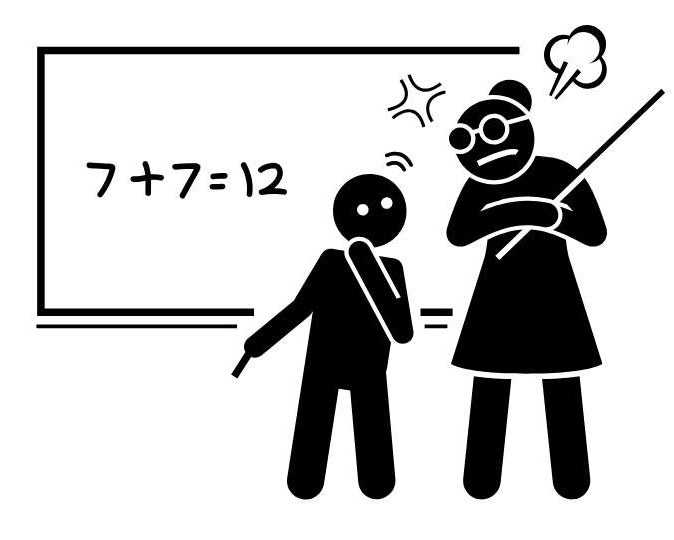
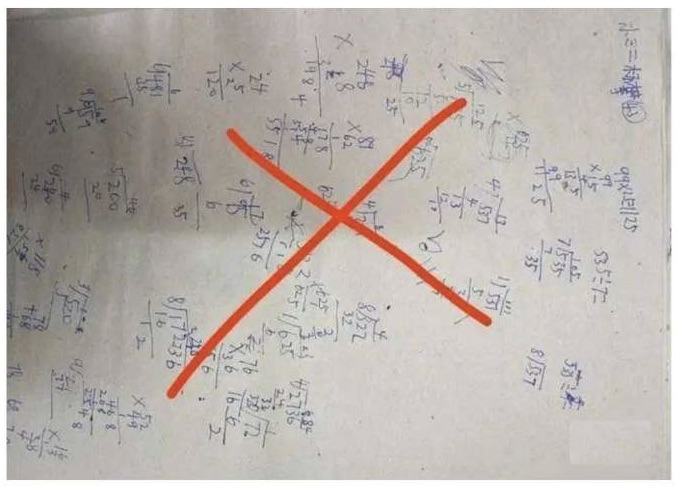
But next time...the same thing happens agian. Not the same error, maybe, but another “careless mistake” pops up. It feels endless, like whack-a-mole.
What on earth is causing these careless mistakes? And more importantly... is it really just an attitude issue?We tend to equate “carelessness” with laziness or not trying hard enough. But most of the time, these mistakes have little to do with attitude. They come from gaps in habits, weak processes, or unfocused thinking. A child may be serious in class, but if the “system” they use to solve problems is flawed, mistakes are inevitable.
No amount of drilling or scolding can fix a bug in the system.
Why “Careless” Mistakes Happen
There are four common causes.
1. Limited attention span
Attention is like energy — it drains quickly. Even adults lose focus at work; children, with weaker self-control, are even more easily distracted.
In an exam, it only takes a second — the sound of a page turning, a thought drifting by — to miss a key detail. That slip costs marks.
And focus can’t be built by nagging “be careful!” It needs training and practical techniques.
2. Shaky foundations
Many parents insist: “My kid knows this, just careless.”
But if knowledge isn’t drilled to the point of automatic recall, stress in exams makes it collapse. When brainpower is spent recalling steps, there’s none left for checking details.
Often, “careless mistakes” are really signals that a topic hasn’t been mastered.
3. Jumping to conclusions
Kids love shortcuts. A question looks familiar, they skim, spot a few keywords, and rush into a method they’ve used before. But if a small condition has changed — units, hidden constraints, or traps — the answer goes wrong.
4. Poor habits, no system
Skipping steps, relying on mental sums, messy working.
Without a consistent routine, performance swings. One day mostly right, the next full of errors.
Focus isn’t something children are born with — it’s a skill they can develop, and it needs the right environment to grow. Parents can play a big role in nurturing this.
During homework or exams:
- Teach your child to point with a pen as they read. Eyes follow the pen, word by word, no skipping. That way, every condition is checked properly.
- If allowed, let them read the question or their steps softly under their breath. When eyes, ears, mouth, and hands all work together, it anchors their attention and helps them stay on track.
In daily life:
- Make sure they sleep enough. A well-rested child can focus much better than one who’s tired and cranky.
- Cut down time spent on short videos and endless scrolling. Instead, let them build habits of sitting with one activity for a longer time — like reading, puzzles, or drawing.
- Set “focus time” at home where they work without interruptions. Over time, they’ll learn how to get into that flow state quickly and sustain it.
When a child keeps making “careless” mistakes on the same type of question, it usually means the knowledge isn’t truly solid. They’re still recalling steps one by one instead of running on “autopilot.” Under exam pressure, that extra effort leaves little energy for details, so mistakes creep in.
What parents can do:
- Encourage the use of a correction book. Not just copying the question — but writing down why they got it wrong. Was it a missed condition? Wrong formula? Calculation slip? Then review it regularly.
- Pay attention to recurring mistakes. Sit down with your child to revisit the topic from scratch. Fill in every gap until it’s crystal clear, then drill enough until solving becomes second nature. The more fluent they are, the less likely they are to trip over small things.
We’ve shared before how to set up a good correction book. Tr. Jeremiah also did a video walkthrough — parents can check it out !
Most “careless” mistakes come from missing steps. A clear, repeatable routine helps a child stay steady and reduces dependency on “good luck” or “good state.”
Practical tips:
- Slow down. Take time to read and calculate carefully. Rushing only increases mistakes.
- Write, don’t do mental calculations. Mental math feels fast but carries a high error rate. Writing steps down saves more marks than the few seconds “saved.”
- Check as you go. Break problems into stages. After finishing one step, do a quick check before moving on.
- Keep work neat. Clear workings — both on the paper and draft — prevent confusion later and makes it easier to spot and fix errors during checking.

For younger children, falling into exam “traps” is completely normal.
Many parents can accept when their child doesn’t know a question, yet struggle to understand when the child “knows it but still got it wrong.” The blame often falls on “attitude,” leading to frustration or even anger.
But scolding doesn’t make a child more careful. It only adds stress, making them more anxious about exams, or worse, resistant to learning altogether.
What actually helps is concrete guidance: how to focus, how to keep a correction book, how to read questions properly, how to use rough paper neatly, how to check answers step by step.
And when that happens, one or two slip-ups won’t shake their confidence. Mistakes ultimately become part of their journey forward, giving them momentum instead of holding them back!
Discussion
0 Comments
Join the conversation
Share your thoughts or ask a question about this article.
0 / 200
'%3e%3cpath%20d='M7.99992%2014.6673C11.6818%2014.6673%2014.6666%2011.6825%2014.6666%208.00065C14.6666%204.31875%2011.6818%201.33398%207.99992%201.33398C4.31802%201.33398%201.33325%204.31875%201.33325%208.00065C1.33325%2011.6825%204.31802%2014.6673%207.99992%2014.6673Z'%20stroke='%2390A1B9'%20stroke-width='1.33333'%20stroke-linecap='round'%20stroke-linejoin='round'/%3e%3cpath%20d='M5.33325%209.33398C5.33325%209.33398%206.33325%2010.6673%207.99992%2010.6673C9.66659%2010.6673%2010.6666%209.33398%2010.6666%209.33398'%20stroke='%2390A1B9'%20stroke-width='1.33333'%20stroke-linecap='round'%20stroke-linejoin='round'/%3e%3cpath%20d='M6%206H6.00667'%20stroke='%2390A1B9'%20stroke-width='1.33333'%20stroke-linecap='round'%20stroke-linejoin='round'/%3e%3cpath%20d='M10%206H10.0067'%20stroke='%2390A1B9'%20stroke-width='1.33333'%20stroke-linecap='round'%20stroke-linejoin='round'/%3e%3c/g%3e%3cdefs%3e%3cclipPath%20id='clip0_2876_5854'%3e%3crect%20width='16'%20height='16'%20fill='white'/%3e%3c/clipPath%3e%3c/defs%3e%3c/svg%3e)