
 May 22, 2026
 5 min read
Kangaroo Study Primary Math Foundation Programme
Let children learn joyfully, learn effectively, and learn excellently.
How children grow from math beginners to independent, confident math lovers?
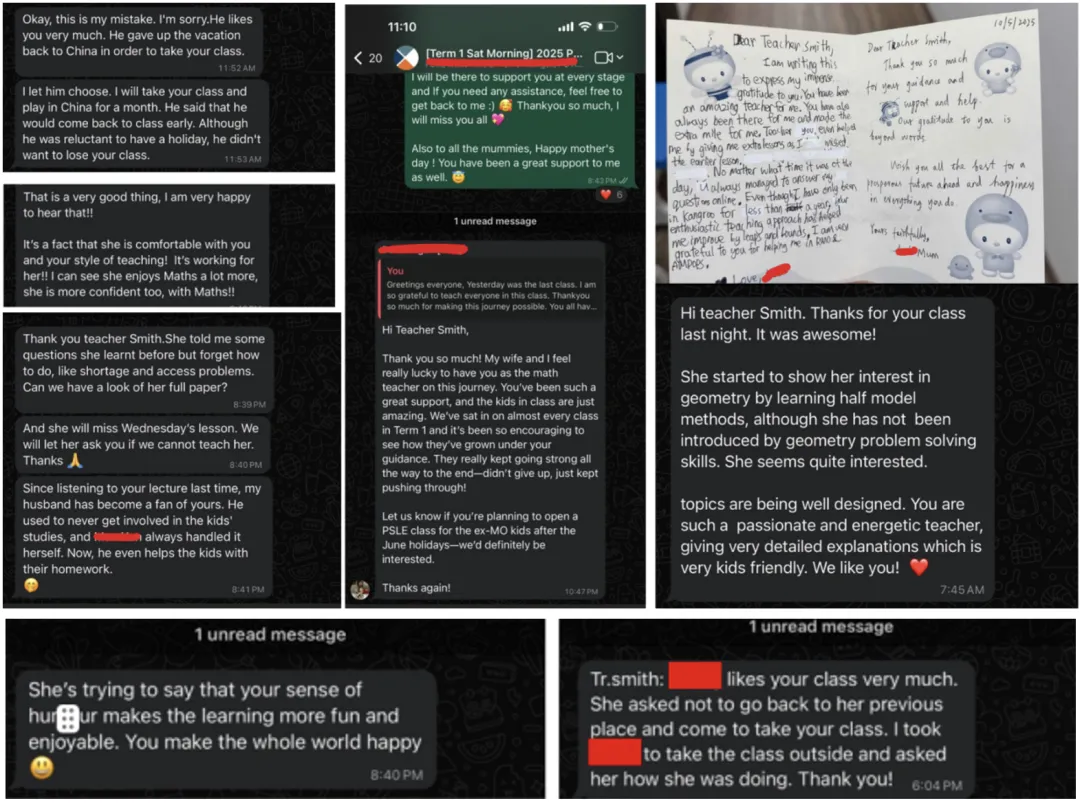


What kind of program nurtures such remarkable students?
The lower primary years are a critical starting point in a child’s learning journey, yet they are often the most confusing for children and parents alike. Many challenges arise:
When facing structured, challenging math content, how do we spark and sustain a child’s interest and motivation?
With frequent calculation mistakes, carelessness, and a lack of independent learning, how do we build proper learning habits?
Amid updated GEP policies, Olympiad reforms, and DSA adjustments, what should children learn, how should they learn, and how can we plan steadily for long term success?
At Kangaroo Study, we believe:
Interest is the motivation, habits are the foundation, and knowledge is the framework.
The three work hand in hand and are equally essential.
Guided by our mission — Learn Joyfully, Learn Effectively, Learn Excellence — we provide an all-in-one math foundation program that develops children in three core areas: inspiring interest, building strong habits, and constructing systematic knowledge.
We reject last-minute cramming. We help children avoid detours in their early math education, grow steadily step by step, and truly develop lifelong abilities: independent thinking, efficient learning, and long-term academic strength.
Part 1 Inspiring Interest: Guided Learning to Ignite Inner Drive
“My child lacks a sense of achievement and won’t participate in class.”
“They give up when facing difficult problems and lack confidence.”
“They fear deep thinking and show no interest in math.”
These struggles do not come from a lack of ability, but from unawakened inner motivation.
At Kangaroo Study, interest is not created by external rewards. It grows naturally from genuine achievement gained through exploration and reasoning.
Our teachers use a 3 Step Guided Learning Method:
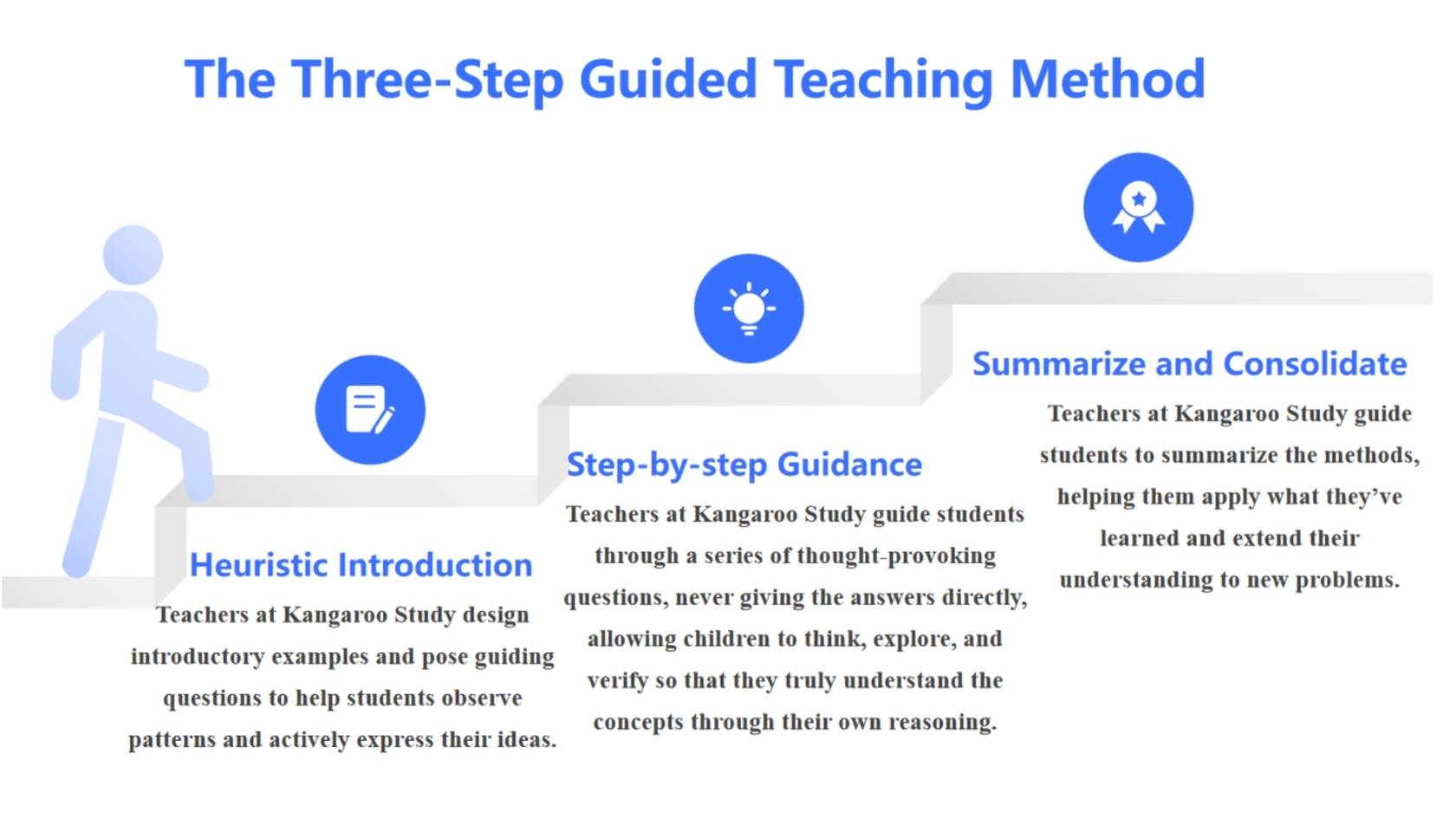
We maintain a fully positive classroom: mistakes are embraced, effort is praised, and children are guided to discover errors, adjust their thinking, and reach solutions independently.
Children experience the joy of “I found it!” and the confidence of “I can solve this by myself!”
Gradually, math class becomes an enjoyable adventure, not a burden. Children look forward to thinking and exploring, not just getting the “right answer.” With every “I got it!” and “I see the pattern!”, their eyes light up and their love for learning grows stronger.
Math is no longer a difficult subject — it becomes an exciting journey of discovery.

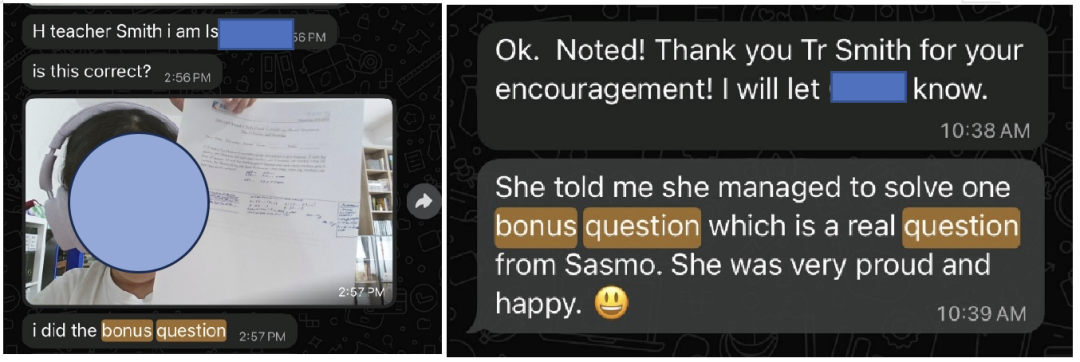
Part 2 Building Habits: Structured Routines to Shape Lifelong Learning Skills
“My child is easily distracted in class.”
“They make careless calculation mistakes.”
“They never review on their own and don’t know how to review.”
Nearly all these learning struggles boil down to weak learning habits.
Good habits are not formed by force or nagging. They take root when children experience the real benefits of consistent, effective routines.
At Kangaroo Study, our teachers are more than instructors — they are personal habit coaches. We support children through every step of learning, help them recognize the value of good habits, and build strong, sustainable practices for life.
(1) Listening Habits
We teach the PSLE Listening Rule:
“Pens down, Sit straight, Look at the teacher, Everyone!”
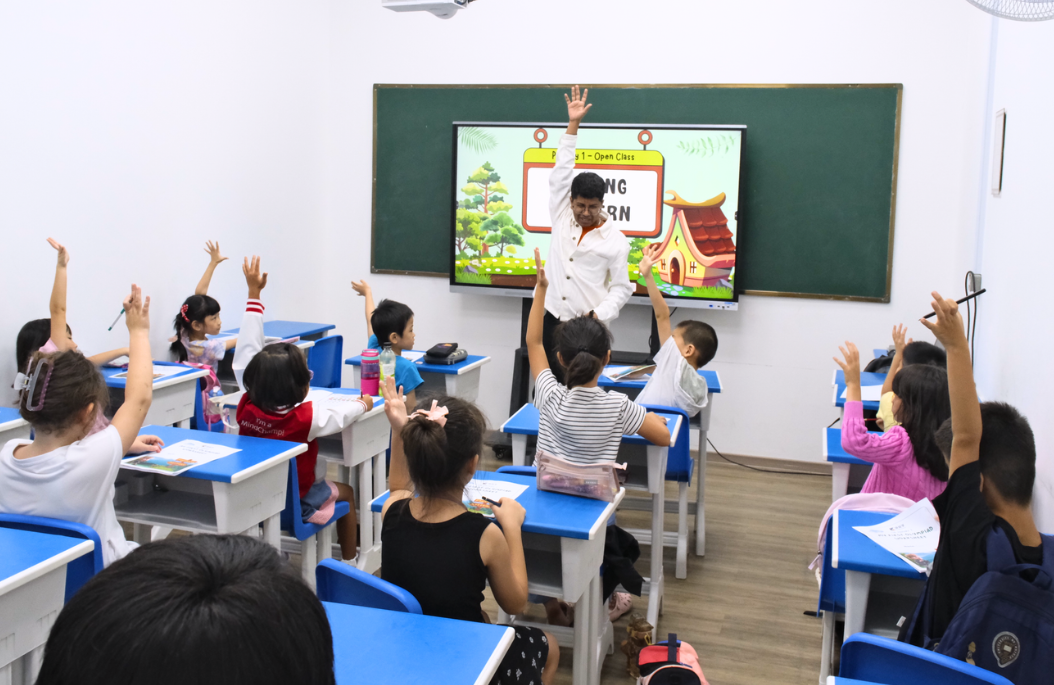
Teachers maintain full attention through eye contact, tone variation, gestures, and timely questions, helping children focus and absorb effectively.

(2) Problem Solving Habits
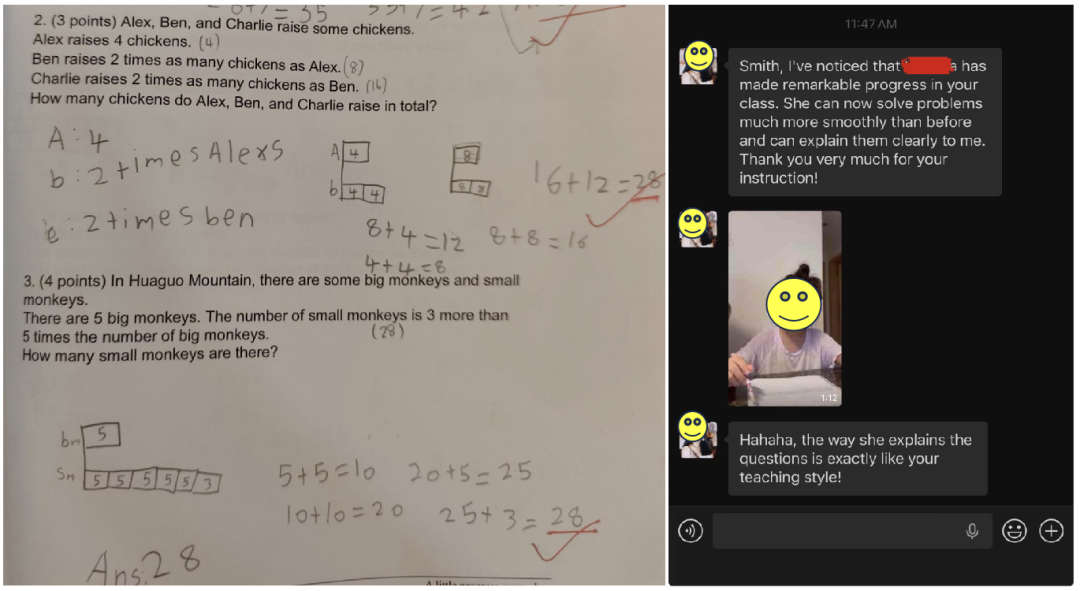
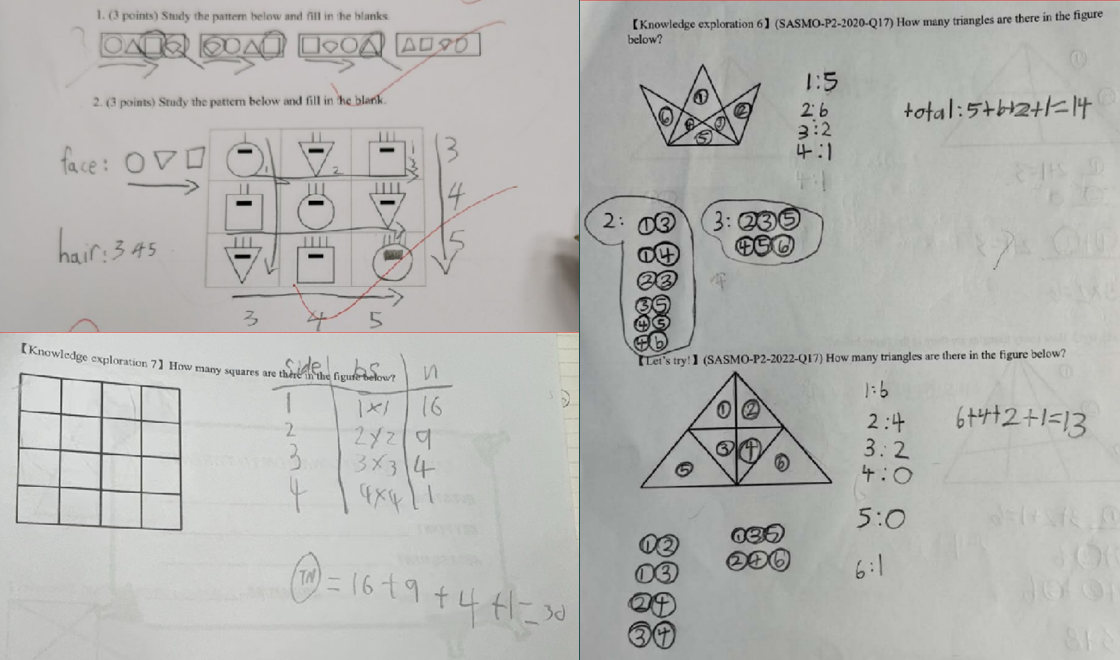
Many small mistakes children make are not actually due to carelessness.
They result from incomplete working and over-reliance on short-term memory.
To solve this, teachers at Kangaroo Study guide students through in-class practice, set strict standards for homework, and provide timely feedback on corrections, helping children turn systematic problem-solving steps into a consistent habit.
(3) Review Habits
Based on the Forgetting Curve, we design a complete review system: Post-lesson Quiz → Rework Examples → Teach-Back Homework → Daily Practice → Monthly Review
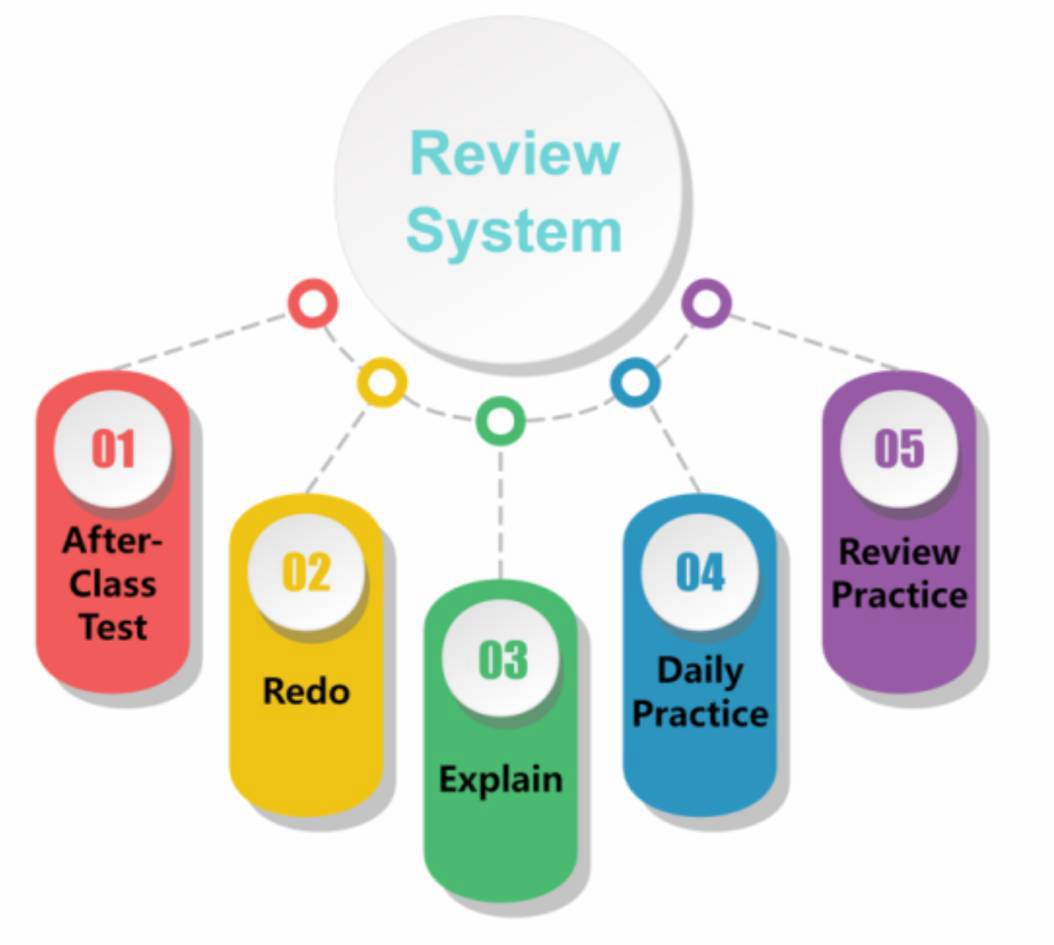
Teachers track progress and provide continuous feedback to help children form a complete and sustainable review habit.
Part 3 Knowledge Development: Spiral Progression to Build Solid Core Ability
After entering primary school, many advanced students feel:
“School math is too slow, too little, and too easy.”
Yet every year, parents express frustration:
“We realised so many topics were unfamiliar right before the GEP exam.”
“My child was recommended for NMOS in P5 but could not solve most problems.”
The core problem: many families treat math learning as exam-focused cramming.
They cram for GEP before the test, then cram for Math Olympiad afterward. Children are always “cramming at the last minute” but lack long-term, systematic understanding and planning for mathematical thinking.
Built upon the school curriculum, the Math Olympiad system includes 7 major modules:
Calculation, Counting, Number Theory, Word Problems, Speed-Distance-Time, Geometry, and Comprehensive Topics.
Each module progresses from basic to advanced and is revisited cyclically for deep mastery. The program can start as early as the K2 year-end holidays, steadily preparing children for competitions, selections, and progressive achievements.
Aligning with the latest GEP requirements, we have organised 6 core modules and 40 key topics:
Calculation, Logic, Word Problems, Geometry, Counting, and Number Theory, fully integrated into our P1–P3 Syllabus.
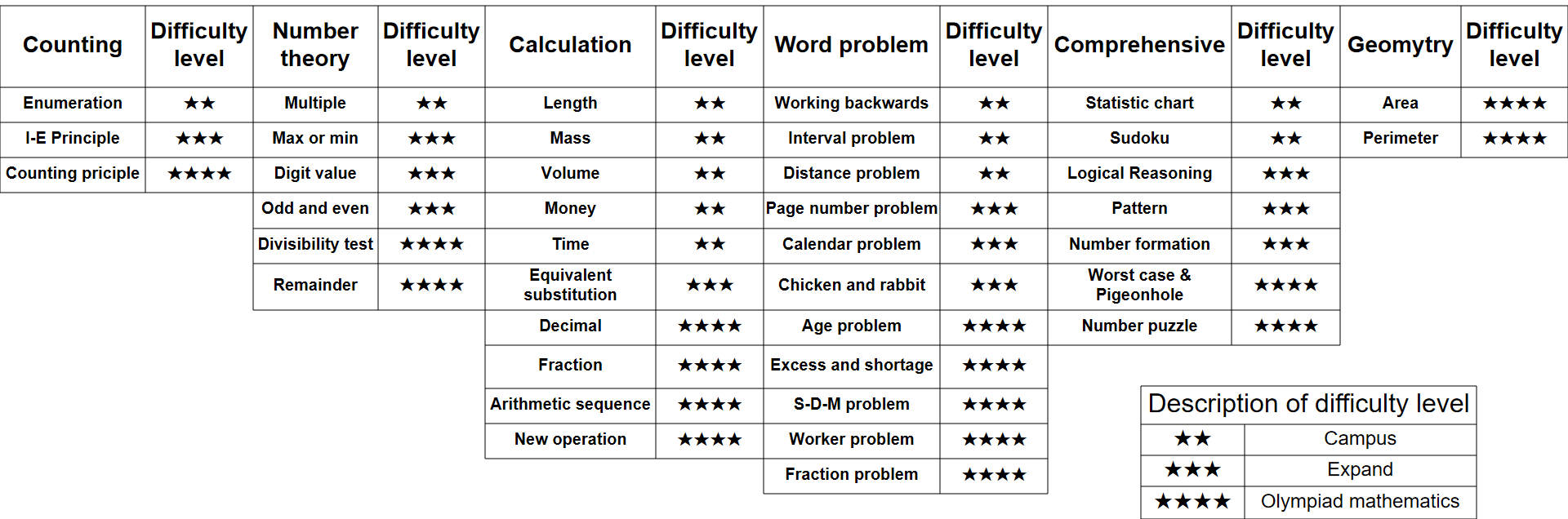
Within this system, children from early primary levels will:
Develop strong number sense;
Build logical and reasoning ability;
Master analytical and model-based problem-solving;
When the GEP arrives, children are fully prepared, not cramming.
When advanced Math Olympiad learning begins, children are ready, not caught off guard.
Contact Us
For more information about our lower primary mathematics classes, please contact us at:

Discussion
Join the conversation
Share your thoughts or ask a question about this article.
'%3e%3cpath%20d='M7.99992%2014.6673C11.6818%2014.6673%2014.6666%2011.6825%2014.6666%208.00065C14.6666%204.31875%2011.6818%201.33398%207.99992%201.33398C4.31802%201.33398%201.33325%204.31875%201.33325%208.00065C1.33325%2011.6825%204.31802%2014.6673%207.99992%2014.6673Z'%20stroke='%2390A1B9'%20stroke-width='1.33333'%20stroke-linecap='round'%20stroke-linejoin='round'/%3e%3cpath%20d='M5.33325%209.33398C5.33325%209.33398%206.33325%2010.6673%207.99992%2010.6673C9.66659%2010.6673%2010.6666%209.33398%2010.6666%209.33398'%20stroke='%2390A1B9'%20stroke-width='1.33333'%20stroke-linecap='round'%20stroke-linejoin='round'/%3e%3cpath%20d='M6%206H6.00667'%20stroke='%2390A1B9'%20stroke-width='1.33333'%20stroke-linecap='round'%20stroke-linejoin='round'/%3e%3cpath%20d='M10%206H10.0067'%20stroke='%2390A1B9'%20stroke-width='1.33333'%20stroke-linecap='round'%20stroke-linejoin='round'/%3e%3c/g%3e%3cdefs%3e%3cclipPath%20id='clip0_2876_5854'%3e%3crect%20width='16'%20height='16'%20fill='white'/%3e%3c/clipPath%3e%3c/defs%3e%3c/svg%3e)