
 Sep 2, 2026
 5 min read
1. Overview:
In the lower primary years (K2–P3), many parents ask:
How should we plan for HAL, Math Olympiad, and DSA?
How do we keep children interested in mathematics?
How do we overcome careless mistakes, weak calculation, and poor learning habits?
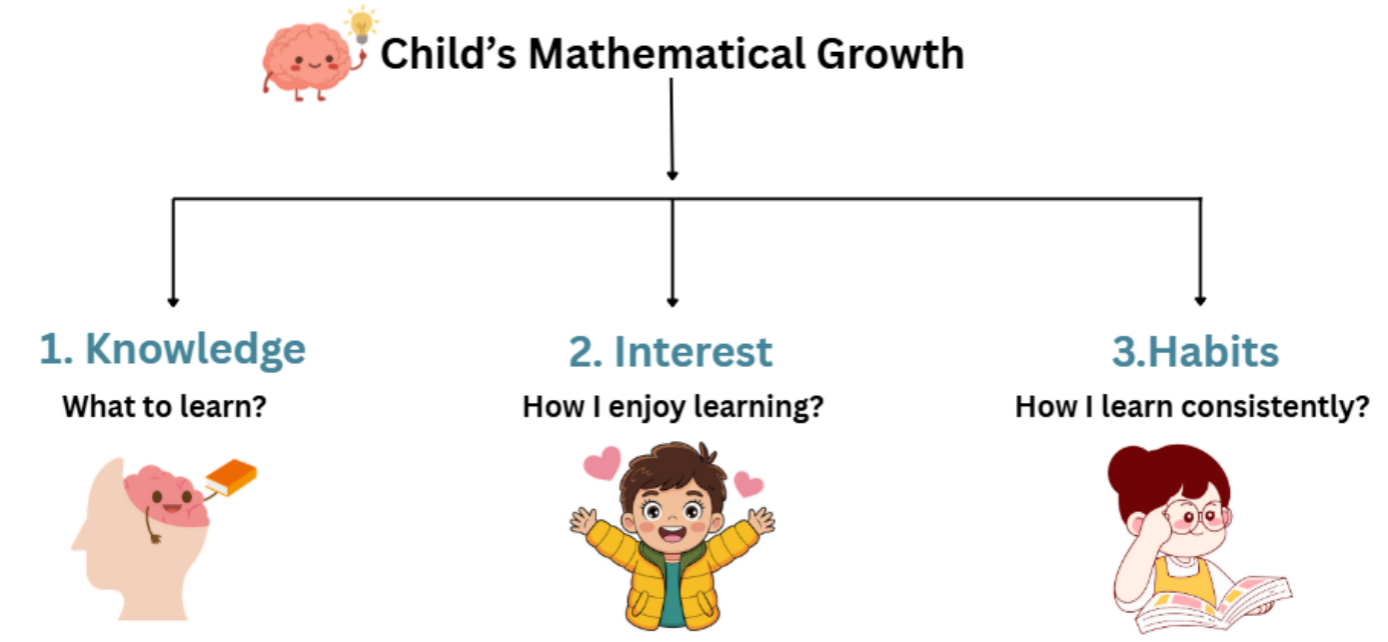
(1) Knowledge Enlightenment — What to learn?
When children enter Primary 1, many capable students feel that school math is too easy, too slow, and not challenging enough.
However, by Primary 2, mathematics takes a big step forward.
There are two stages of challenges they face:
1. (a) Word Problems - Primary 1 is the stage where children learn the 4 fundamental skills needed for future word problems.
At this stage, children should be able to:
Read and understand simple questions.
Identify key words like altogether, difference, change, in total, each, etc.
Understand what the question is asking.
Choose the correct operation.
These are the essential foundations that prepare them for the more complex word problems introduced in Primary 2.
But mainly, the challenge lies in doing the questions independently.
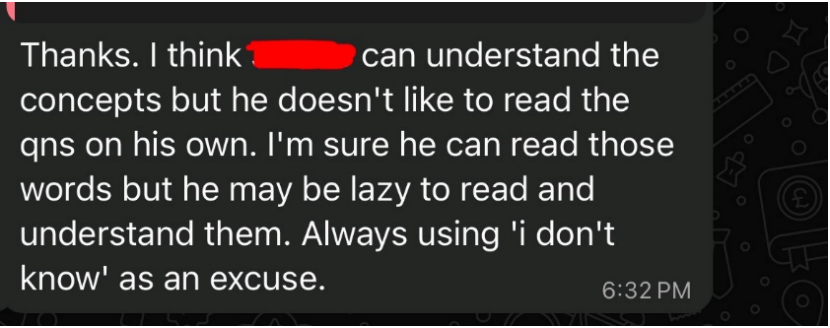
1.(b) Calculation
Before entering Primary 2, children should master:
Number bonds (e.g. pairs that make 10, 20, 100)
Mental calculation strategies
Regrouping (carrying & borrowing)
Inverse relationship ( 5 + 7 = 12 so 12 – 7 = 5)
Even when children know the correct method, many still struggle with calculations because their number sense and calculation fluency are not yet fully developed. This leads to slow working, careless mistakes, and a lack of confidence.
2. Understanding Quantitative Relationships
Even if students can calculate correctly, they may not understand the relationship between numbers.
Example: 18 apples are shared equally into 6 boxes.
Some students do not know why division is used.
Others can solve 18 ÷ 6 = 3, but cannot explain what the 3 represents.
Calculation ≠ Understanding.
Students need to know when to use a method and what the answer means.
(2) Interest Enlightenment — Guiding Children Toward a Sense of Achievement
Many parents often say:
“My child isn’t self-motivated — I have to keep pushing”
“My child is afraid of difficult problems and lacks confidence”
At the core of these issues lies one key factor — a lack of genuine interest. At Kangaroo Study, we believe true interest doesn’t come from external rewards, but from the sense of accomplishment that grows through learning. Our teachers use a guided learning approach, helping children learn how to think, not just what to do.
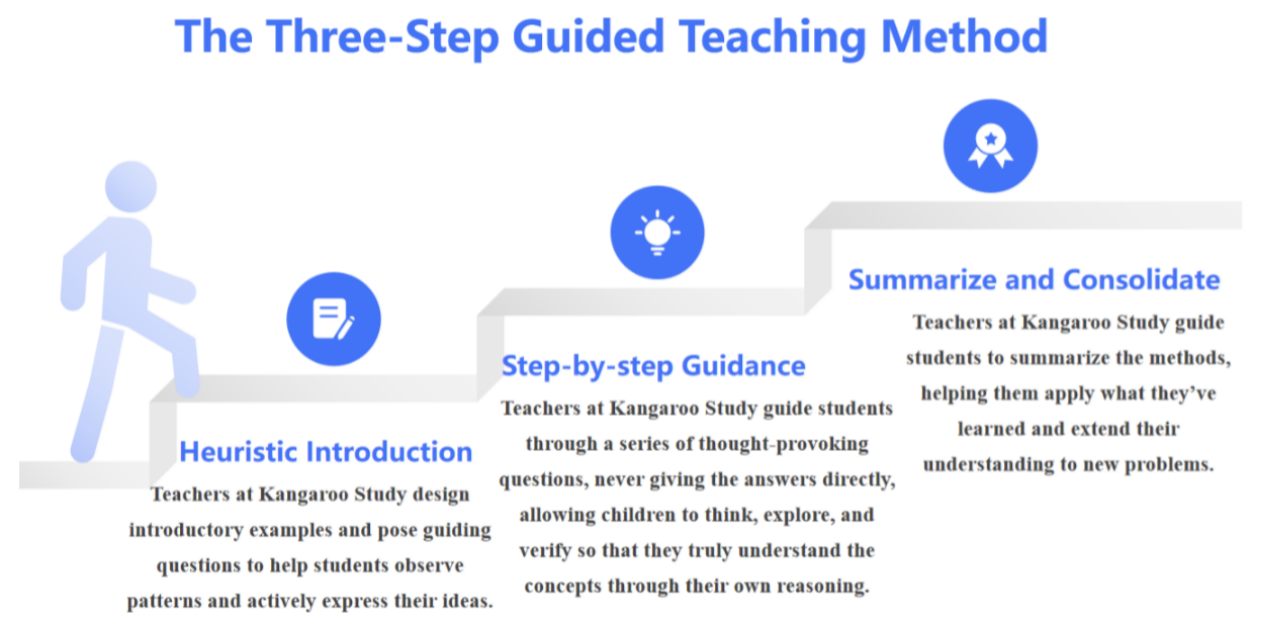
Instead of criticizing mistakes, we encourage effort, guide reflection, and help students find their own paths to the solution.
When children experience those “I figured it out!” or “I found the pattern!” moments, learning becomes exciting, and confidence shines through.
They begin to enjoy thinking and exploring, facing challenges with curiosity rather than fear.
This kind of learning not only builds ability, but transforms mathematics into a journey of discovery and joy.
(3) Habit Enlightenment — From Being Pushed to Self-Driven
Many children lose focus in class, make careless mistakes, or skip review altogether.
The real cause isn’t abilities — it’s the lack of strong learning habits.
At Kangaroo Math, our teachers are not just knowledge instructors — they are also habit coaches. Through consistent guidance and feedback, good habits are built naturally into every stage of learning.
Listening Habits
In class, we emphasize the “PSLE Listening Method”: “Put down your pen, sit up straight, and look at the teacher.” Teachers use questions, tone, and interaction to capture attention and help students stay focused and engaged, cultivating effective listening skills.
Problem-Solving Habits
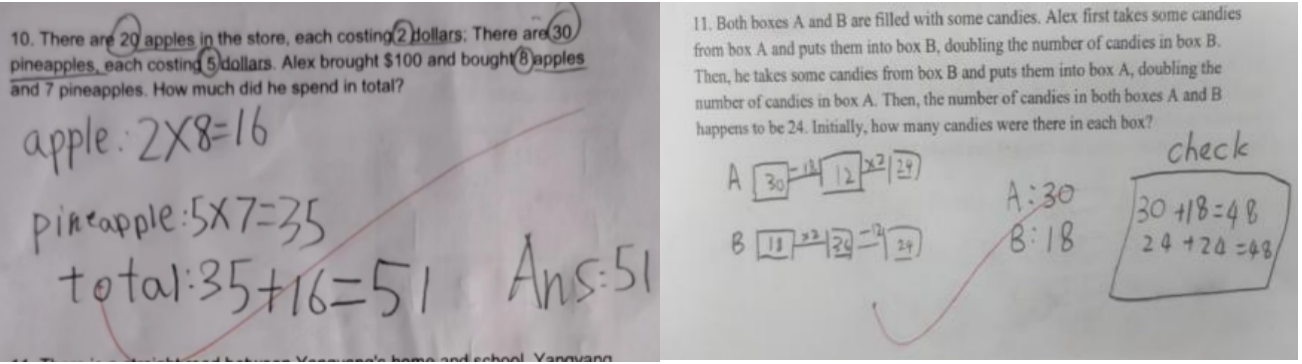
“Careless mistakes” usually come from weak comprehension, not poor calculation.
Teachers model how to identify key information, highlight relational words (like more than, left, in total), and annotate the meaning of each step. Through a consistent cycle of teach → practice → check → feedback, students gradually turn structured problem-solving into a natural habit.
Review Habits
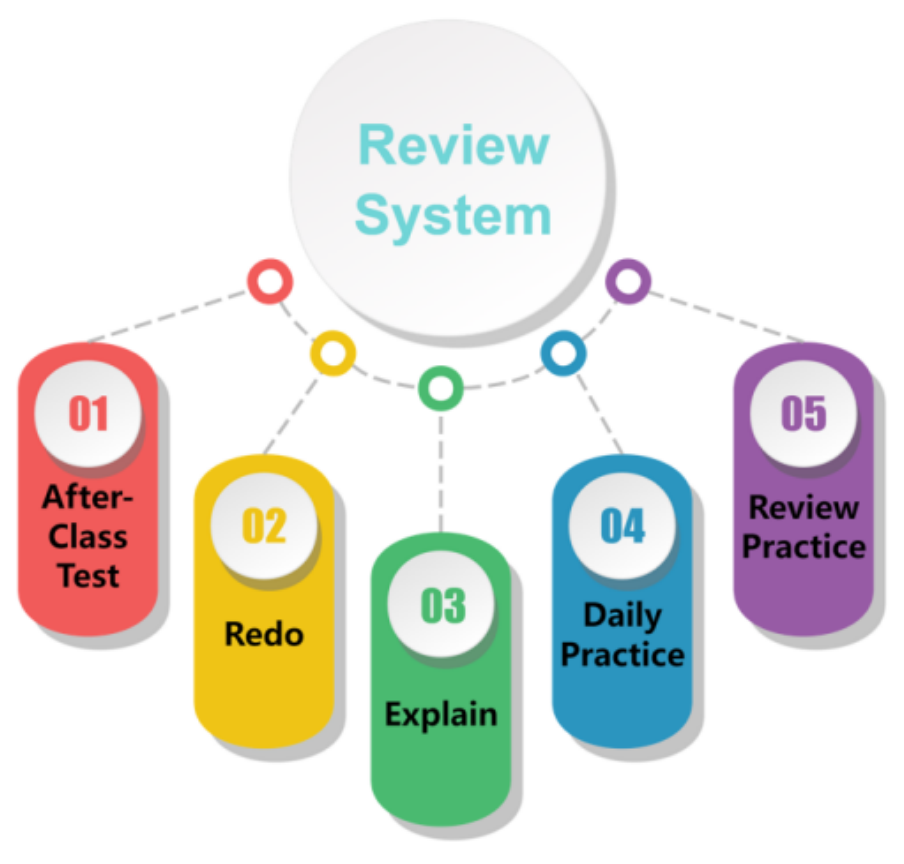
Based on the forgetting curve, Kangaroo Math sets up a systematic review process:
lesson quiz → redo examples → explain one problem to parents → daily mini practice → monthly revision. This steady rhythm of reinforcement and reflection helps students develop true independence and self-management in learning.
2. Course Outline
P1 End of the Year Class (2026)
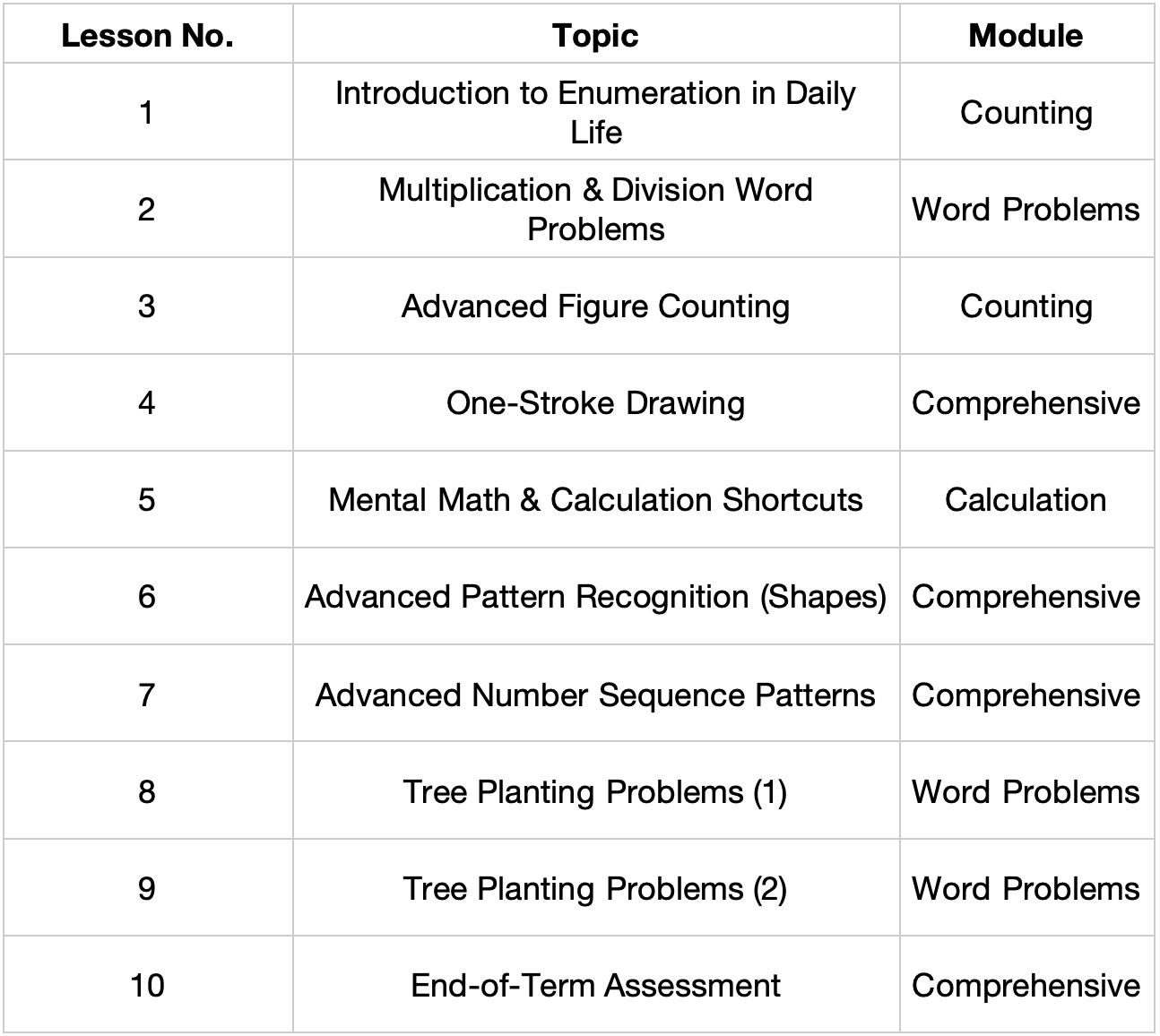
Our EOY programme is designed around the three core abilities every child needs to succeed and is the bridge towards the Topics in Semester 1.
📝 Word Problems – Understand, analyse, and solve planting based problem which focuses on Interval
➕ Calculation – Build speed, accuracy, and strong number sense but understanding mental way to do.
🔍 Quantitative Relationships – Understand when to use a method and what the answer represents by learning multiplication and division problems.
P2 Semester 1 (2027)

The Semester 1 lessons is focused on mastering challenging topics as the will be one lesson per week. It gives time to children to learn and master each topic per week. Semester 1 is the Introduction to Geometry problems which is the foundation of visualizing in Math Olympiad. And 8 Word Problems to ensure a smoother transition to Primary 2.
3. Teacher Introduction
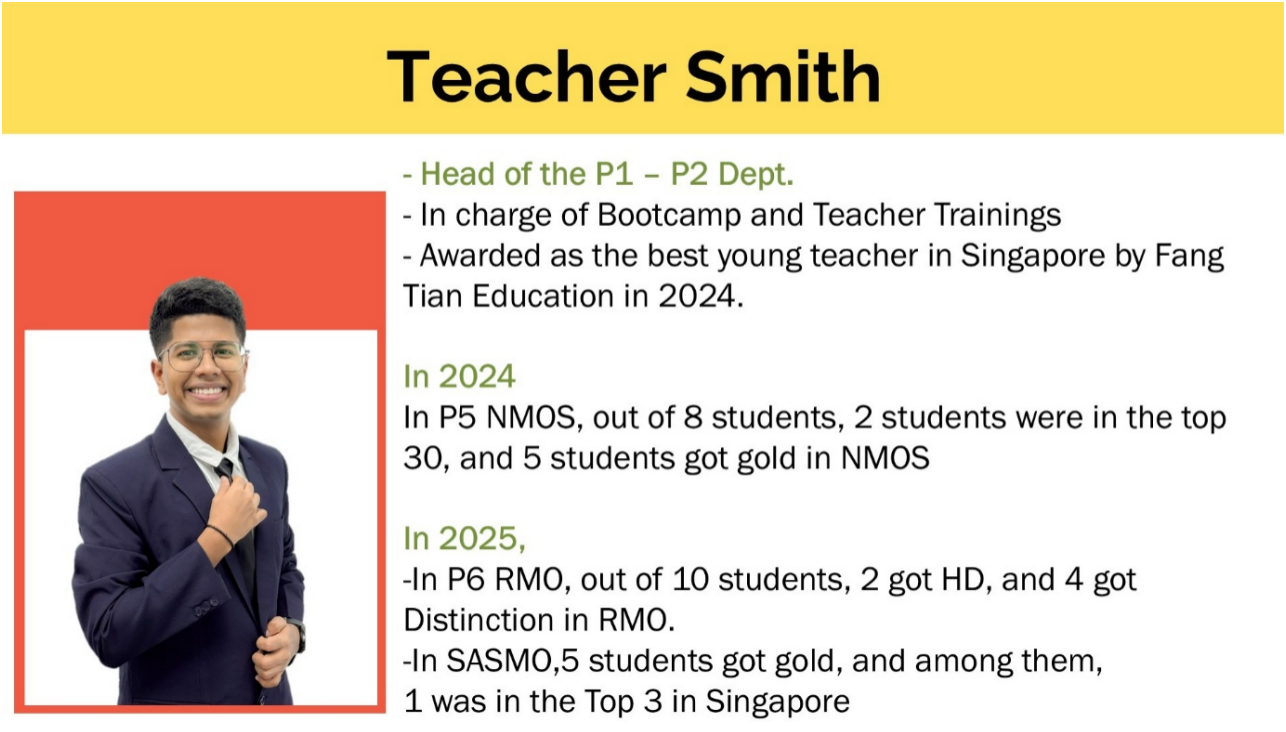
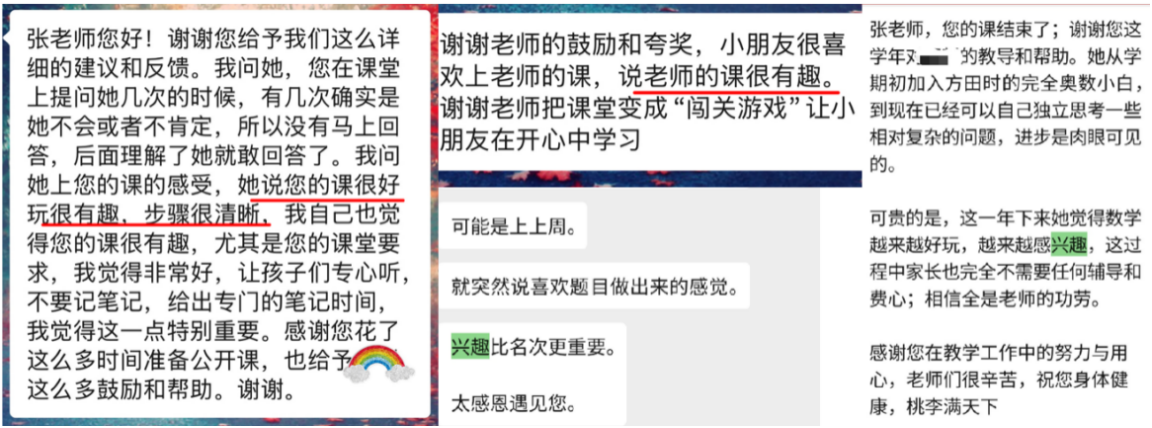
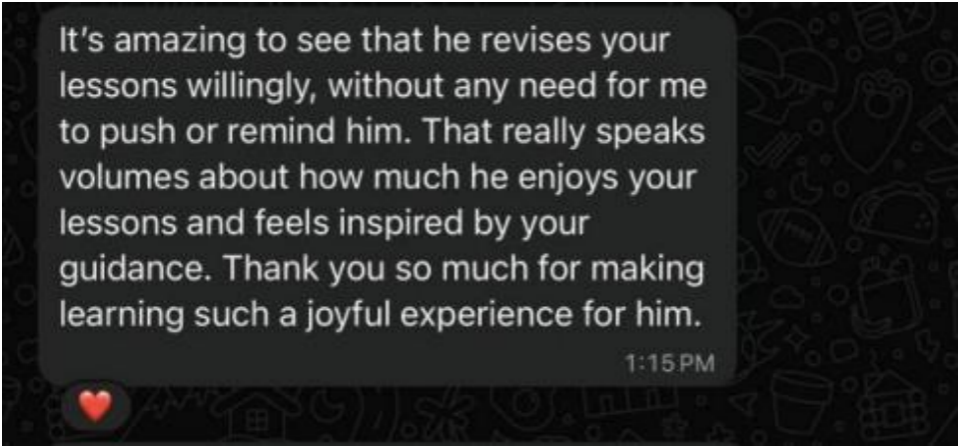
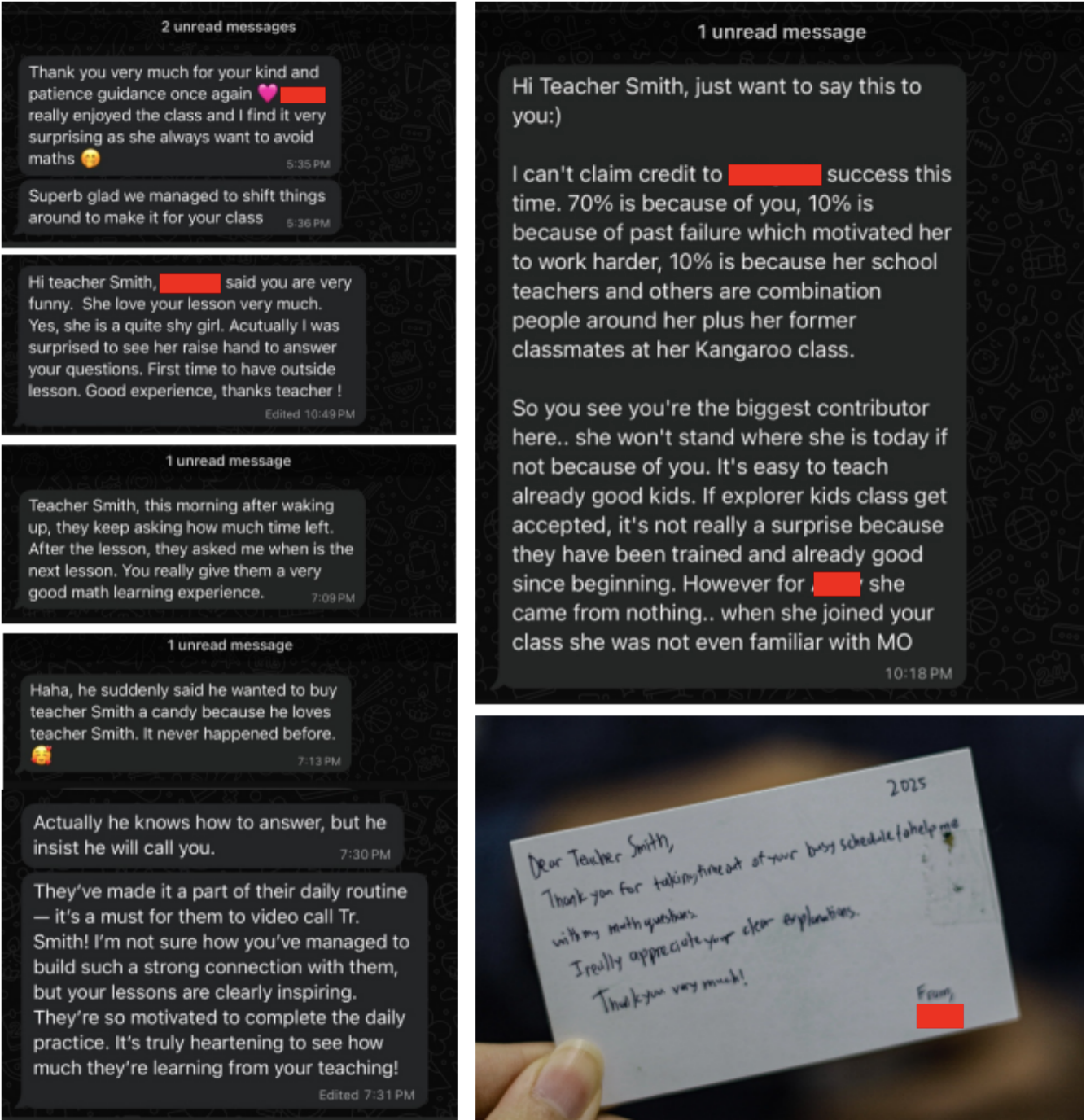
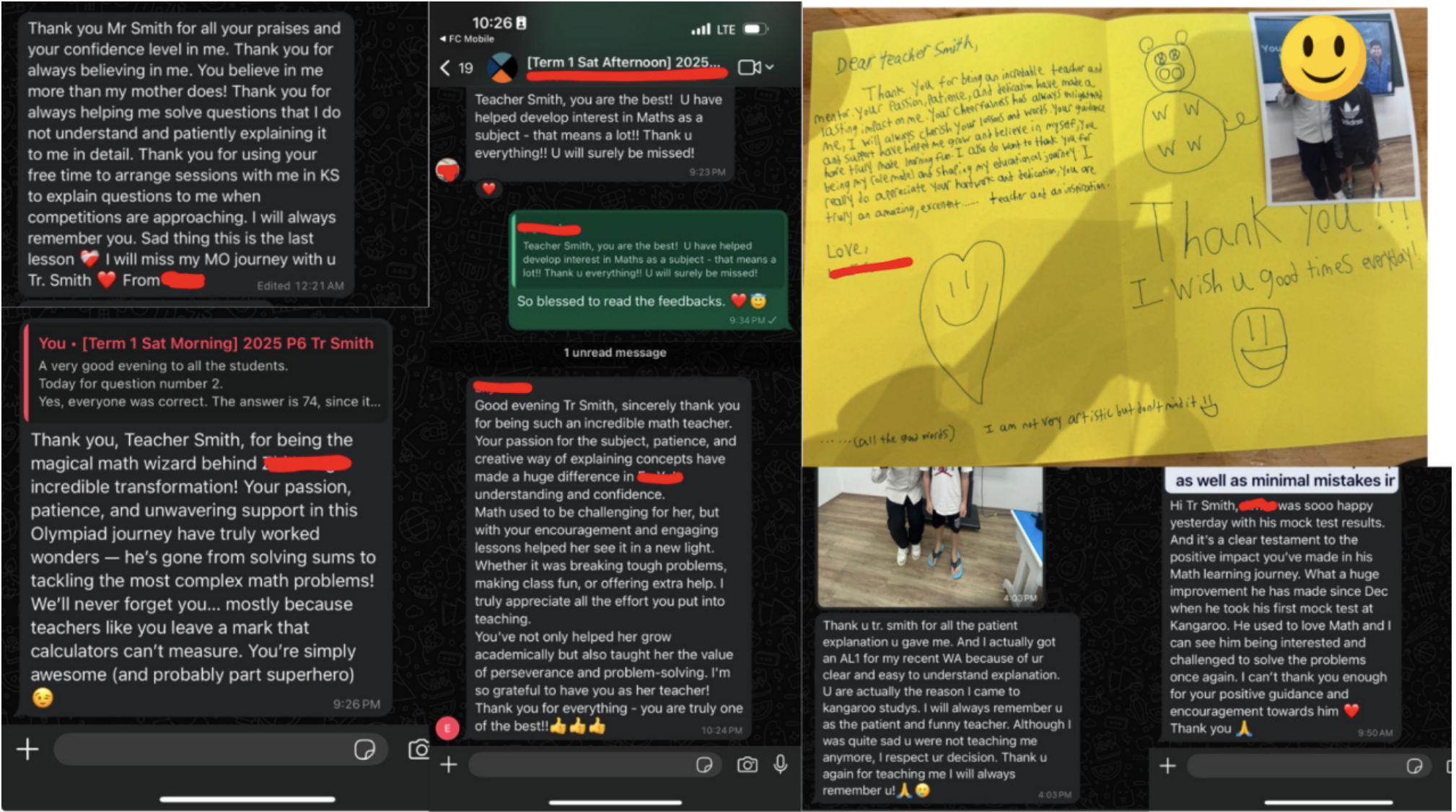
Parents and students speak highly of Teacher Smith’s engaging teaching style.
4. Teaching Model
Three Key Features
Parent Observation – One parent may sit in during class to observe without disrupting lessons.
Refund Anytime – Tuition is refundable on a pro-rated basis.
Dual-Teacher Classroom – One main teacher delivers lessons while an assistant provides real-time student feedback.
Teaching Principles
Guidance over Spoon-Feeding – We never directly give solutions or force memorization.
No Leaving Without Understanding – Students must correct all errors from pre-tests, homework, class examples, and post-tests before leaving.
Cultivating Achievement – We encourage rather than criticize, fostering confidence and motivation.
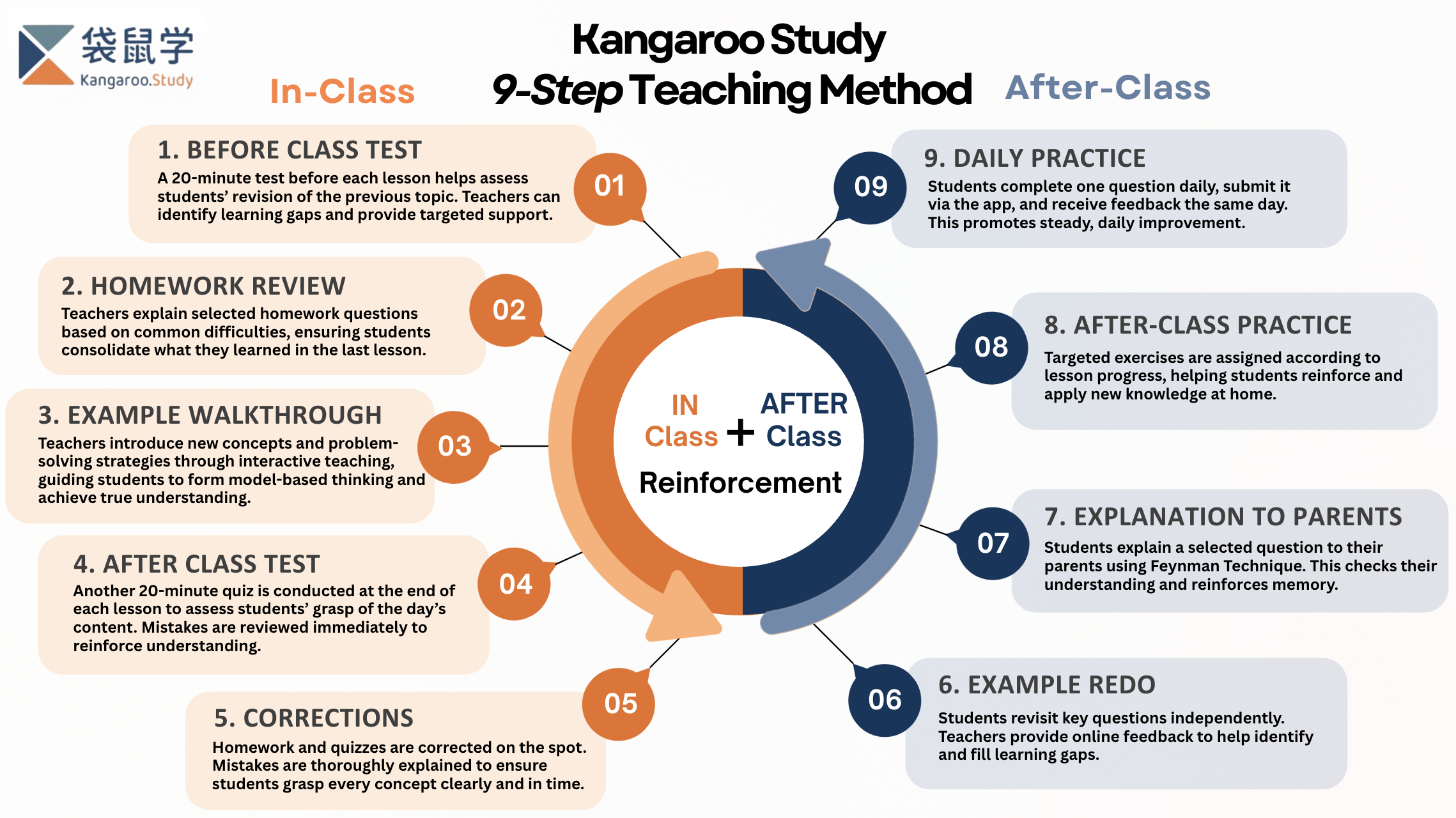
Nine-Step Teaching Cycle
From example explanation to post-class review, ensuring mastery and strong study habits.
5. Class Schedule
(1) End-of-Year Holiday
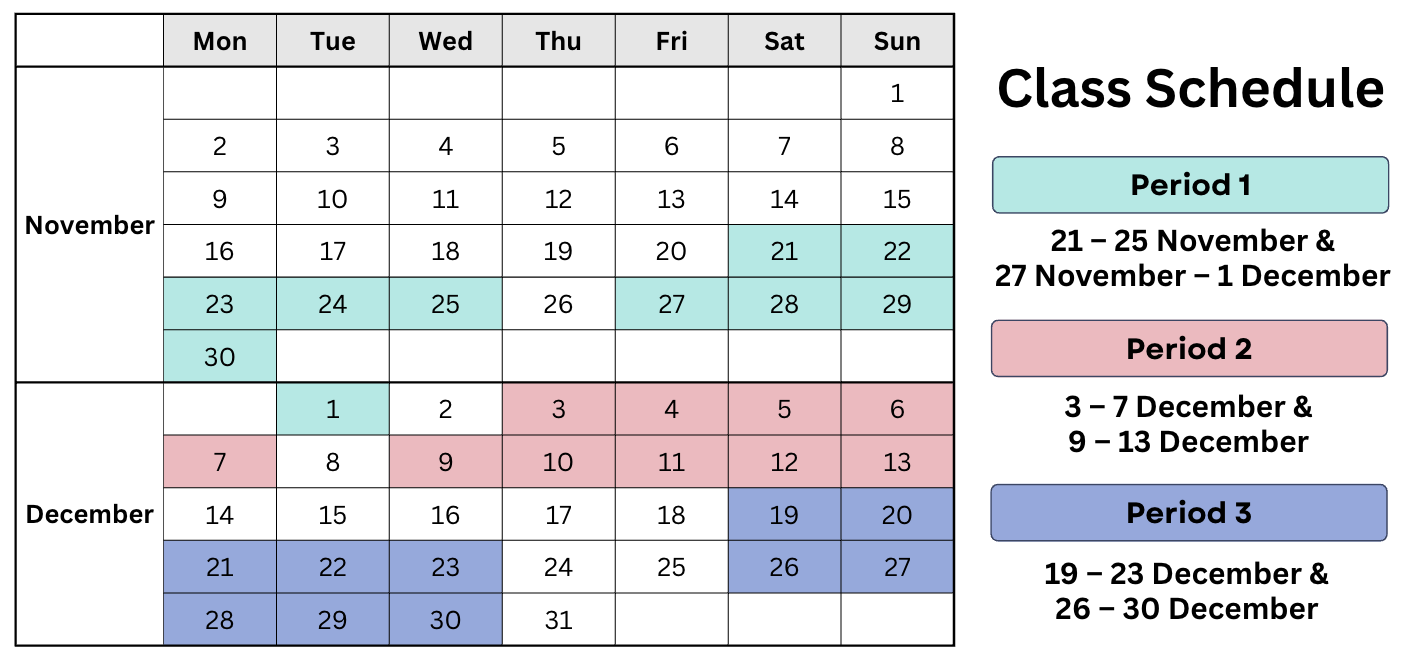
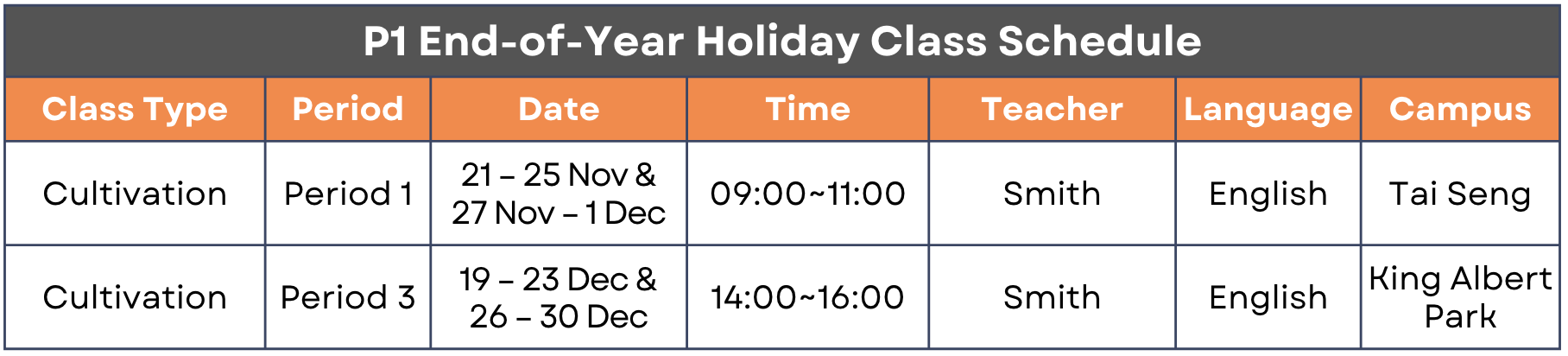
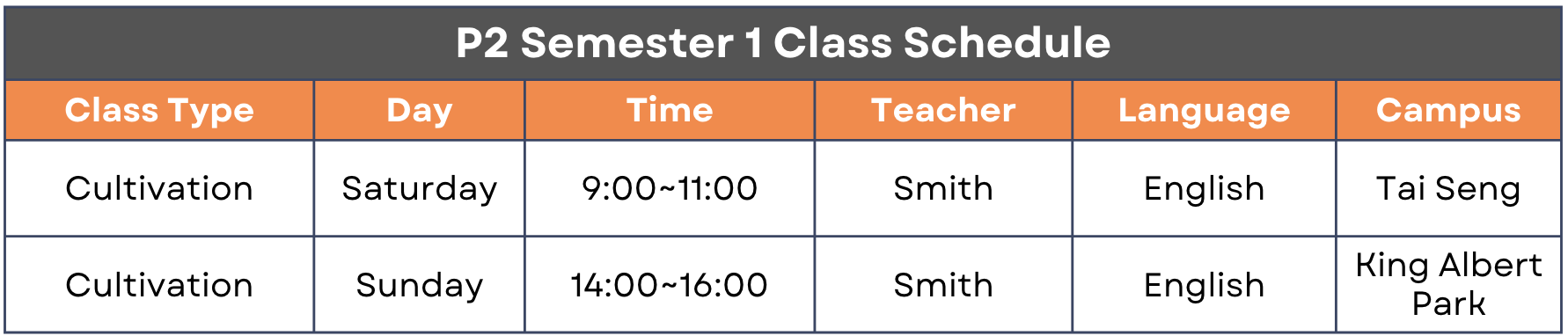
(2) 2027 Semester 1: Classes commence on 9 January 2027 and are held once a week
(3) Format: Offline Lesson
(4) Location:
📍Tai Seng Campus: #02-12, Grantral Mall, 601 MacPherson Road, 368242
📍King Albert Park Campus: #02-09/21, Dunearn Village, Dunearn Road, 589472
(5) Class Size: 12 Students Max
(6) Fees: $120 per lesson
P1 End-of-Year Holiday: Total of 10 lessons, S$120×10 = S$1200
P2 Semester1: Total of 16 lessons, S$120×16 = $1920
6. Enrolment Notes
Priority Enrolment for Current Students
From 14th August, 5:00 PM the system will auto-generate orders for both the P1 End-of-Year Holiday & P2 Semester 1 courses for current students. They can confirm by paying within the priority period: 14th August (Fri) 5:00 PM – 23rd August 11:59 PM.
During this period, parents can log in to the KangarooStudy App and go to “My” → “Unpaid” to locate the pending order, complete payment, and confirm the class place. If payment is not completed within this period, the reserved place will be released and made available to all students.

New Student Enrollment
Begins 14th August, 5:00 PM. Students are required to take an entrance test to determine the appropriate class level. For booking and inquiries, contact Teacher Smith via WhatsApp at +65 80698165.

Discussion
Join the conversation
Share your thoughts or ask a question about this article.
'%3e%3cpath%20d='M7.99992%2014.6673C11.6818%2014.6673%2014.6666%2011.6825%2014.6666%208.00065C14.6666%204.31875%2011.6818%201.33398%207.99992%201.33398C4.31802%201.33398%201.33325%204.31875%201.33325%208.00065C1.33325%2011.6825%204.31802%2014.6673%207.99992%2014.6673Z'%20stroke='%2390A1B9'%20stroke-width='1.33333'%20stroke-linecap='round'%20stroke-linejoin='round'/%3e%3cpath%20d='M5.33325%209.33398C5.33325%209.33398%206.33325%2010.6673%207.99992%2010.6673C9.66659%2010.6673%2010.6666%209.33398%2010.6666%209.33398'%20stroke='%2390A1B9'%20stroke-width='1.33333'%20stroke-linecap='round'%20stroke-linejoin='round'/%3e%3cpath%20d='M6%206H6.00667'%20stroke='%2390A1B9'%20stroke-width='1.33333'%20stroke-linecap='round'%20stroke-linejoin='round'/%3e%3cpath%20d='M10%206H10.0067'%20stroke='%2390A1B9'%20stroke-width='1.33333'%20stroke-linecap='round'%20stroke-linejoin='round'/%3e%3c/g%3e%3cdefs%3e%3cclipPath%20id='clip0_2876_5854'%3e%3crect%20width='16'%20height='16'%20fill='white'/%3e%3c/clipPath%3e%3c/defs%3e%3c/svg%3e)