
 Apr 13, 2026
 5 min read
On July 24th, Kangaroo Study successfully held our GEP Round 1 Mock Exam!
We were thrilled to see not only many P3 students take part, but also a large number of enthusiastic P2 students who bravely challenged themselves. Their energy and eagerness to grow truly impressed us!
After the exam, we didn’t stop at giving individual feedback — our team also conducted in-depth data analysis to identify common pitfalls and learning gaps. Whether your child joined this mock or not, we hope what we share will be a helpful guide for your GEP journey.
In this post, we’ll cover:
1. Where the questions came from & how students performed
2. What the results tell us about students’ knowledge and exam habits — plus concrete advice
3. What’s next in your child’s GEP preparation plan
Part 1: About the Mock Exam – Question Design & Performance Overview
Our GEP mock exam featured 20 multiple-choice questions and 20 short-answer questions, carefully crafted to mirror the style, difficulty level, and focus areas of the actual GEP Round 1 paper. The goal? To give students the most realistic and meaningful practice experience possible.
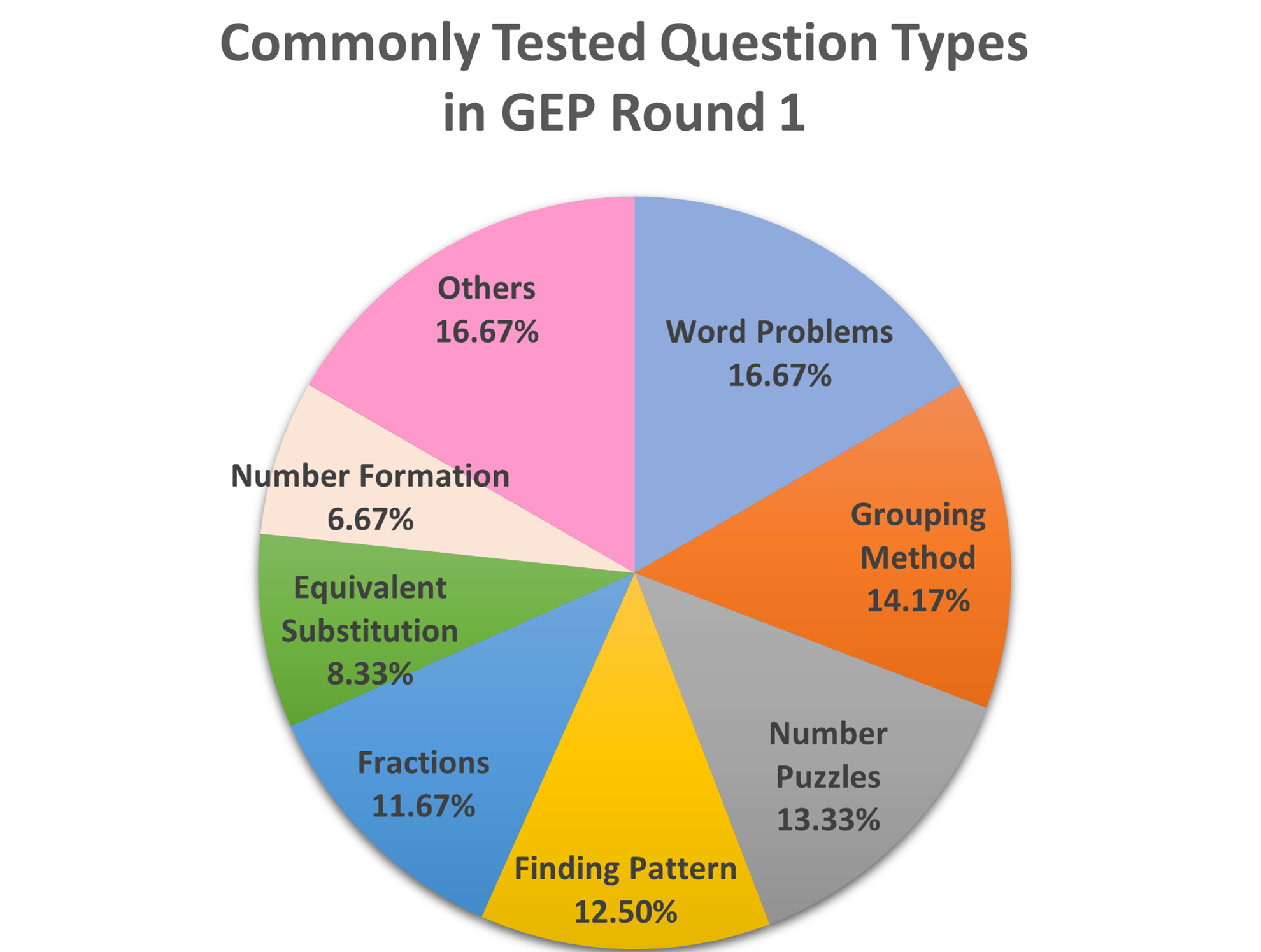
Our teachers analysed over 120 official GEP questions from the past five years,identifying 7 commonly tested question types. These key questions types were thoughtfully built into this mock paper — helping students focus on what matters most.
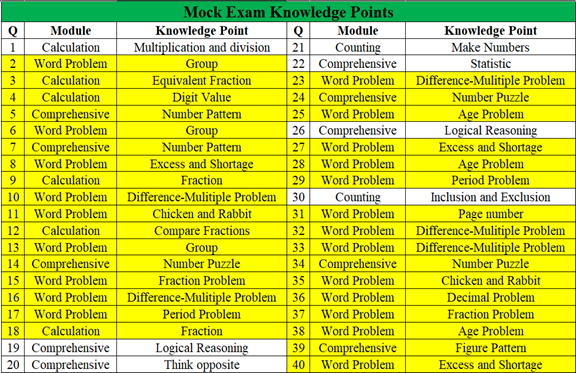
As shown in the overview diagram, each question has been tagged with its core topic and concept.The highlighted questions are the ones that fall under the “7 Most Common GEP Types.” Mastering these is the fastest path to gaining solid marks in the real exam.
Exam Stats:
- Total score: 40
- Highest score: 38
- Average score: 22
Special shoutout to the top scorer from our P3 Kangaroo Study Exploration Class — an excellent performance that reflects both strong thinking skills and solid test habits. We hope all students are inspired to keep up the momentum and aim higher in the next stage of GEP prep!
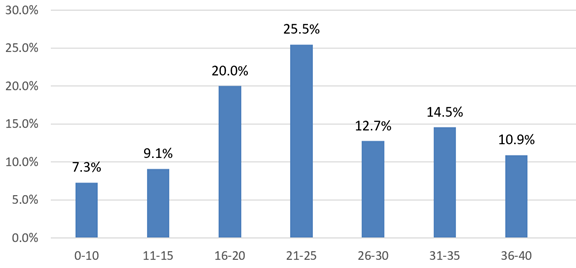
See the chart above for a breakdown of the score distribution
To those who scored well — congratulations!
You’ve already shown solid strength at this early stage. Keep up the momentum,and with consistent effort, you’ll be in great shape to shine even brighter inthe actual exam!
And if your results weren’t ideal this time — don’t be discouraged.
That’s exactly what a mock exam is for: to help us spot problems early. As long as you take the time to fully understand the questions you got wrong, there’s every chance to catch up and do well when the real GEP Round 1 comes around.
To support every student, we’ve sent out a detailed exam report after the mock — breaking down performance by topic and by question, so you’ll know exactly where to focus your revision next.
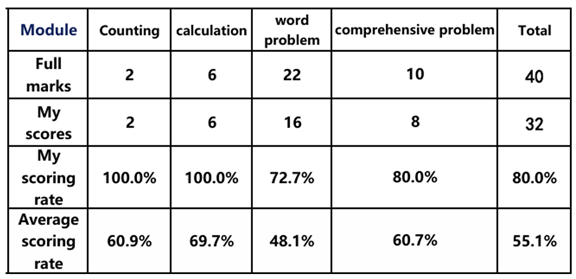
The chart above shows each child’s scores across thefour key modules: Counting, Calculation, Word Problems, and Comprehensive Problems.
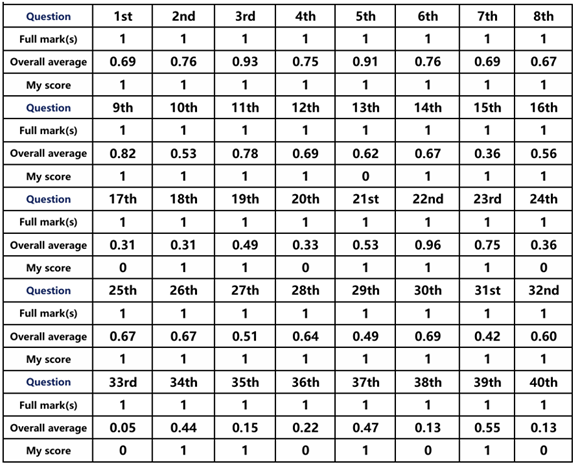
The chart above shows each student’s performance onevery individual question.
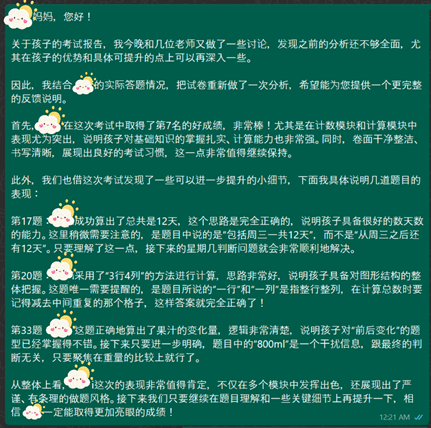
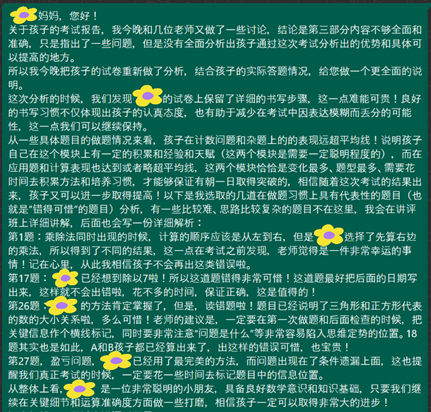
In addition, we prepared a personalised analysis forevery child who took part in the mock exam. Each report highlights the child’s current strengths and suggests clear, targeted areas for improvement — helping them progress with focus and direction.
Throughout this process, we’ve witnessed real and meaningful progress from many children.
After the mock exam, numerousstudents took the initiative to organise their mistakes, ask teachersfor help, and approach their errors with a more serious and responsible mindset — showing clear growth in both attitude and study habits.
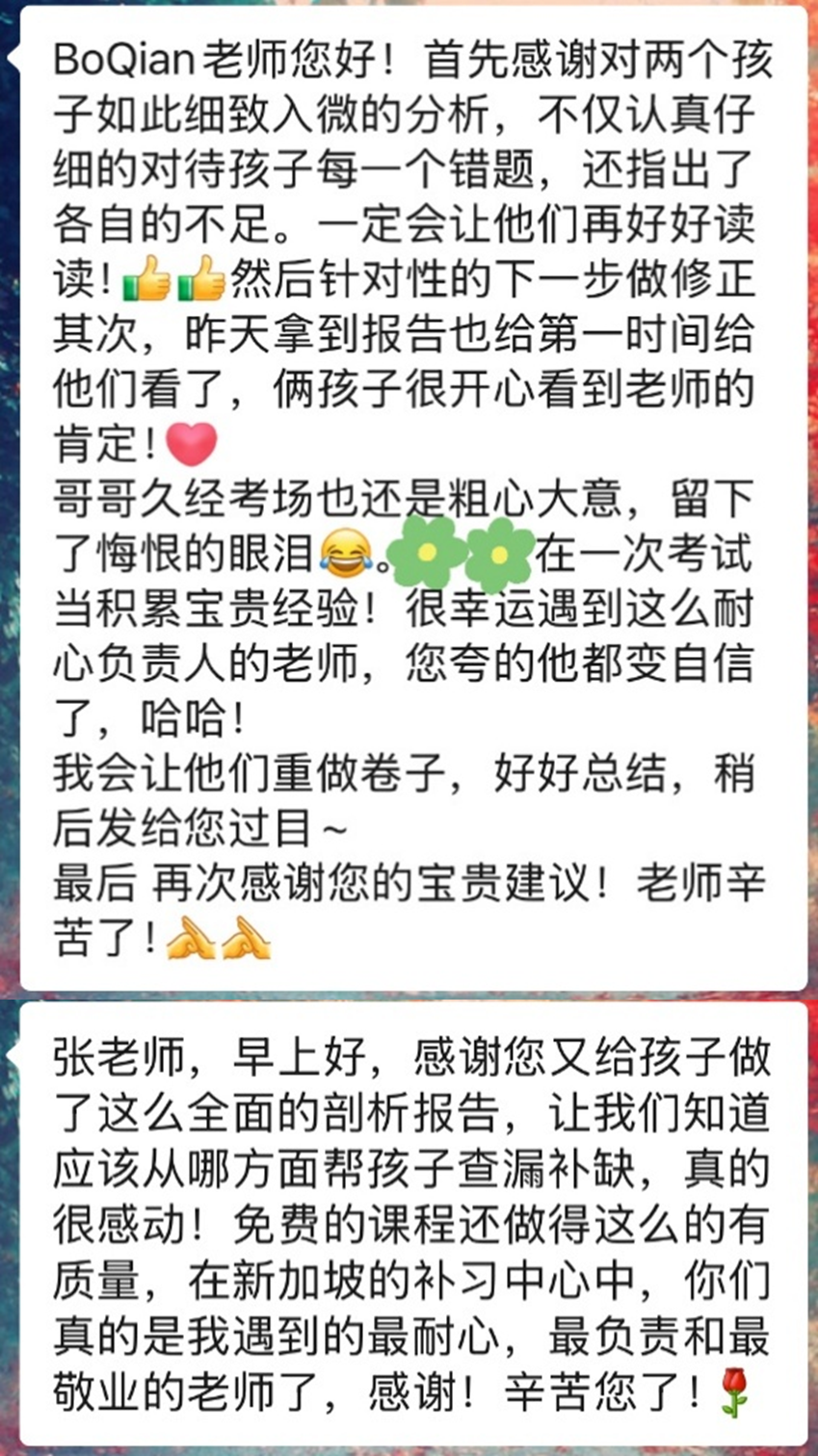
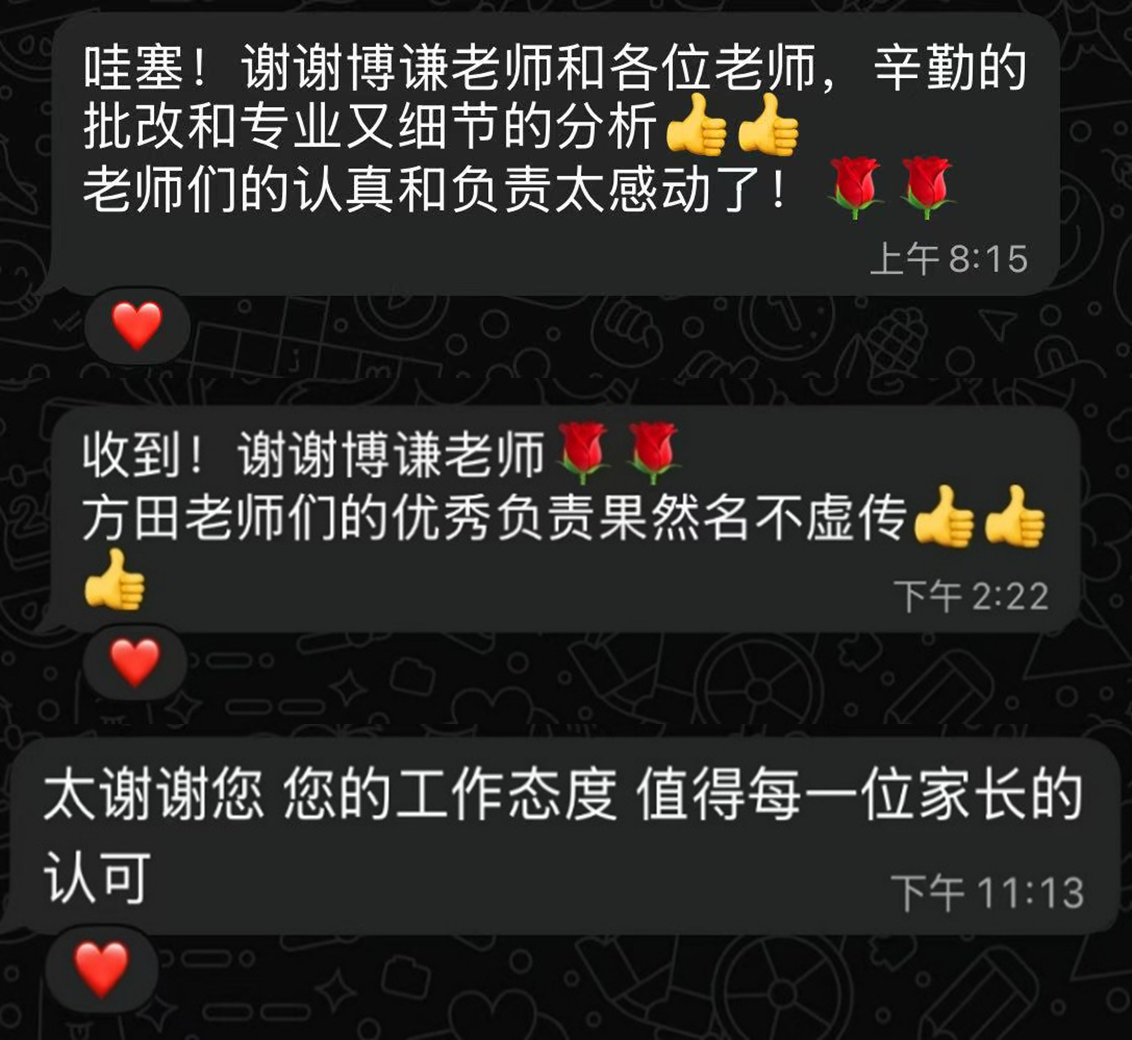
We’re also grateful to have received positive feedback from many parents, which motivates us to continue supporting every child on their GEP journey.
After the mock exam, we held review sessions throughout the week to systematically go over the common pitfalls and challenging questions from the test.

During these sessions,Teacher BoQian not only analyzed each question in detail—highlighting commonmistakes and problem-solving strategies—but also guided students to reflect ontheir thinking processes, helping them truly master every question.
After the review classes,we will send detailed solutions for each question to every student, making iteasier for them to review and reinforce their understanding at home.
For students who didn’tparticipate in the mock exam but would like to try the paper, they’re welcometo join our group and communicate with Kangaroo Study teachers—we’ll gladlyshare the exam paper with them.
Part 2: Analysis ofIssues Revealed by the Mock Exam & Specific Suggestions
Based on the questions where studentscommonly made mistakes in the mock exam, we analysed the problems from twoperspectives:
1. Mastery of knowledge modules
2. Exam-taking habits
From the knowledge perspective:
1. Word Problems Module:
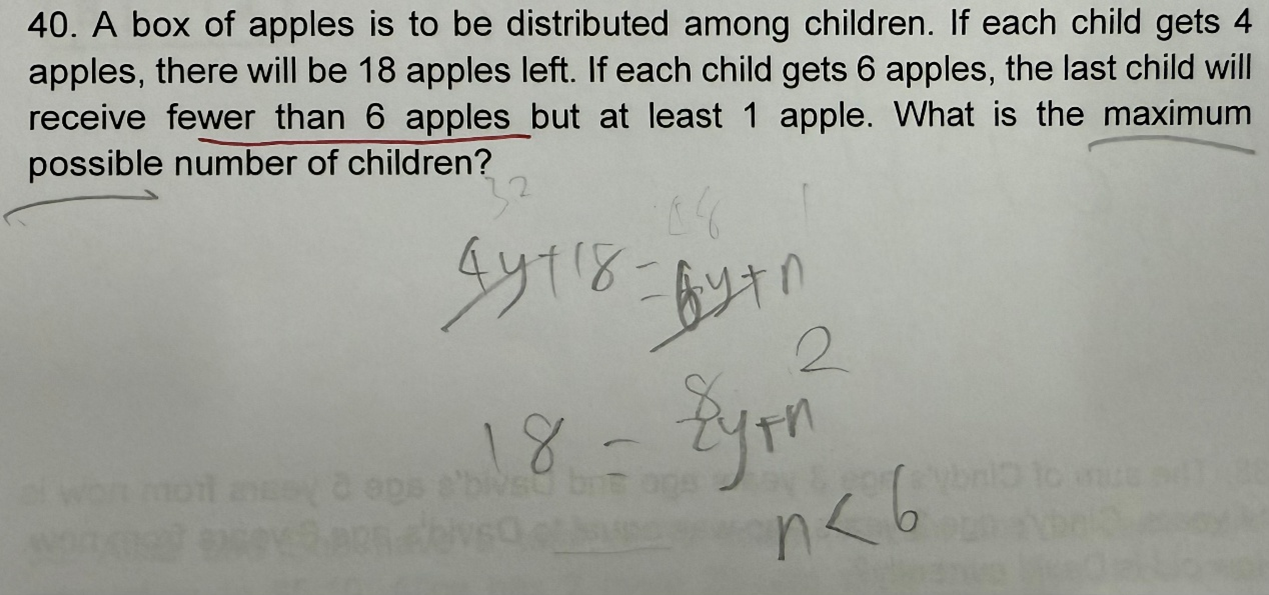
We noticed that many children showed misunderstandings, especially on “Excessand shortage” problems and disguised “chicken-and-rabbit” style problems.
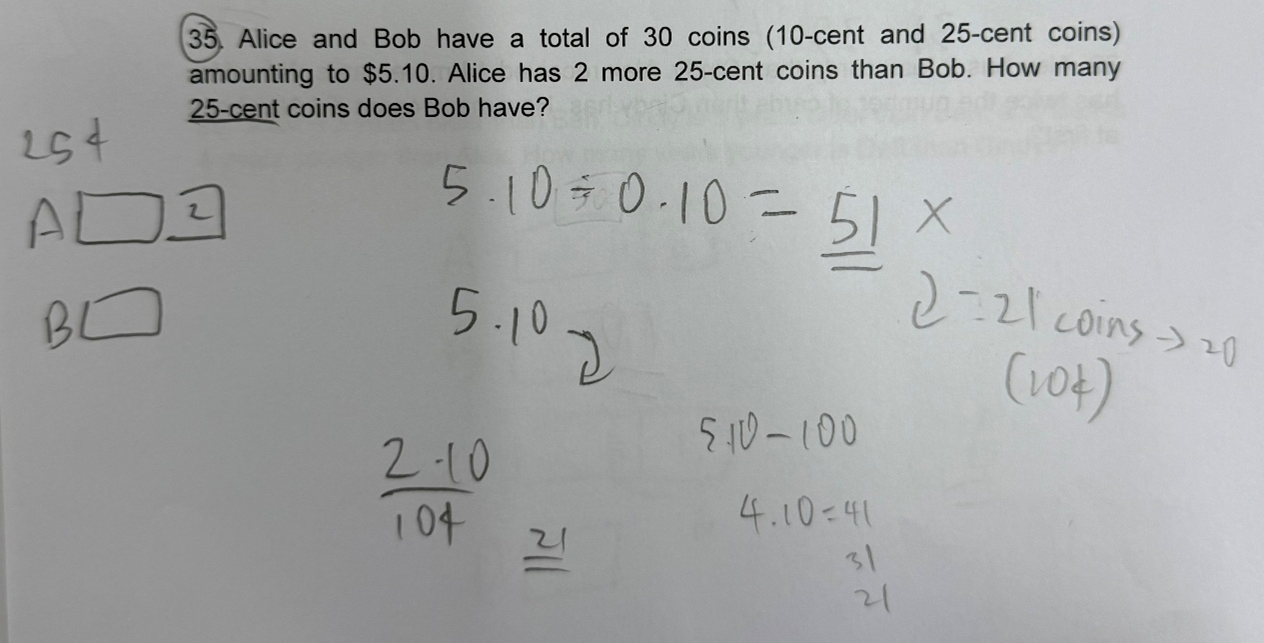
DisguisedChicken-and-Rabbit Problems:
Some questions don’t explicitly mention chickens or rabbits but test the sameconcept: “two different units with a known total” (e.g., 25-cent and 10-centcoins). Because these problems are wrapped in everyday language, students oftendon’t realise they are classic chicken-and-rabbit models and choose the wrongapproach.
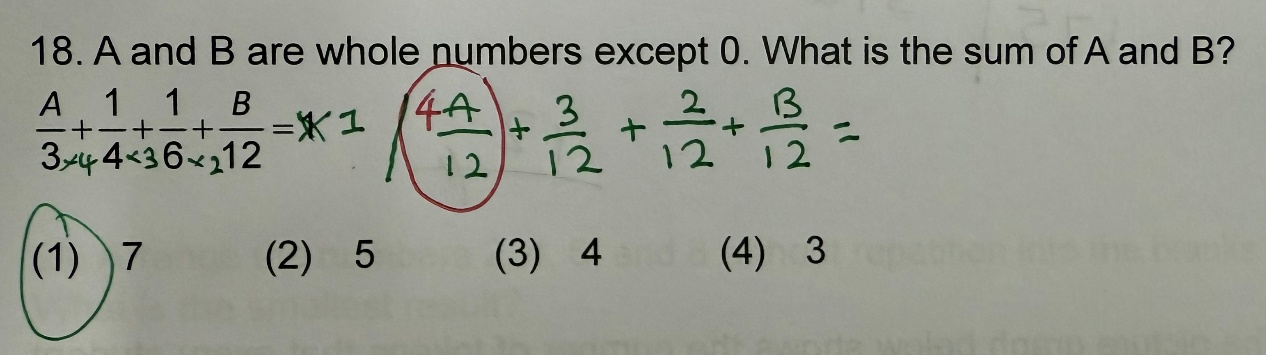 Fromthe exam-taking habits perspective, we identified three common issues:
1. Reading and Understanding the Question:
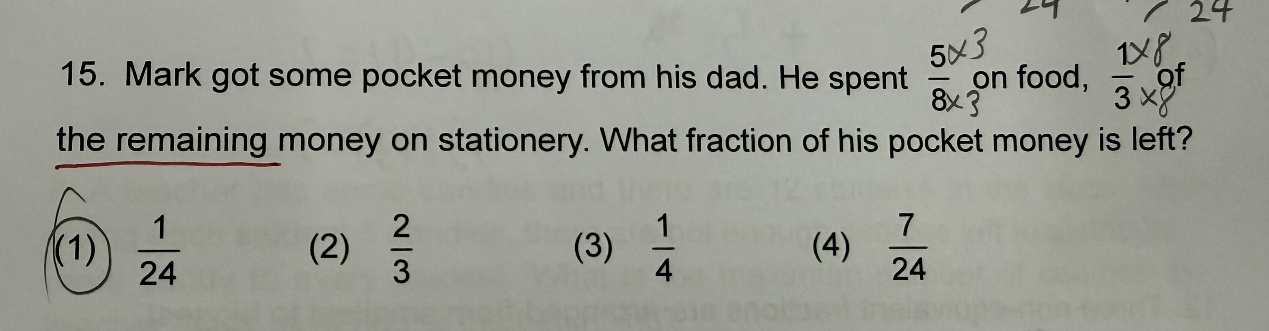
Students sometimes overlook key words like “remaining” or “exactly,” causing misinterpretation. For example, in Question 15, although students knew which method to use, they failed to notice the problem stated “1/3 of the remaining part” but mistakenly took it as “1/3 of the whole,” leading to wrong answers.
2. Writing Habits:
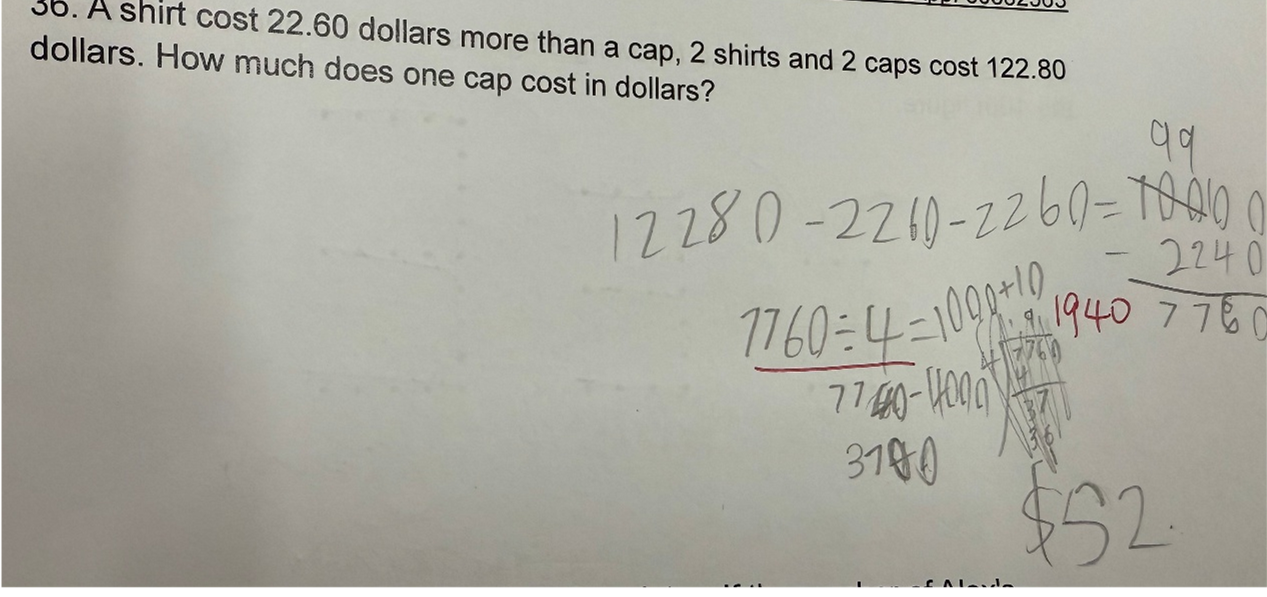
Messy or missing working steps make it difficult toidentify and correct calculation errors.
 What’s Next? The mock exam revealed many shining points in students’ performance and clearly pinpointed areas to strengthen.
1. Knowledge issues: Teachers will cover these in detail during review classes andprovide comprehensive solutions afterward. If any doubts remain, parents andstudents are welcome to contact us for one-on-one support.
2. Examhabits: We suggest parents help their children develop these good practices:
• Reading carefully: Encourage marking key info (quantities, units, core question points) with a pen to avoid careless mistakes.
• Writing neatly: Pay attentionto whether working steps are clear, digits are written properly (e.g., insidegrid squares), and calculations are well-organised. This prevents confusion and misjudgment.
• Calculation checking: Teach kids to break down calculations step-by-step, observe correct order of operations (especially with brackets or only multiplication/division), and check for missed carries, borrowing, or fraction conversion errors.
Part3: Upcoming GEP Preparation – “Daily Challenge” Starts Soon!
To help students further consolidate the commonmistakes and difficult points found in the mock exam, we will launch a 3-day daily challenge next week!
What’s involved?
Our teaching team will select the questions that students commonly make mistakes from the mock exam. We’ll post 1–2targeted practice questions daily in our WeChat and WhatsApp studygroups — each designed to be quick (5–10 minutes) but effective.
How to participate:
Students complete the questions, then upload photos of their work in the group.Our teachers will provide one-on-one corrections and feedback, highlighting strengths and areas to improve — helping kids quickly strengthen weak spots.
This challenge is tailoredspecifically for GEP prep. If you know other P3 students preparing for GEP,feel free to invite them to join!
Here is the QR code for the studygroup:

Discussion
0 Comments
Join the conversation
Share your thoughts or ask a question about this article.
0 / 200
'%3e%3cpath%20d='M7.99992%2014.6673C11.6818%2014.6673%2014.6666%2011.6825%2014.6666%208.00065C14.6666%204.31875%2011.6818%201.33398%207.99992%201.33398C4.31802%201.33398%201.33325%204.31875%201.33325%208.00065C1.33325%2011.6825%204.31802%2014.6673%207.99992%2014.6673Z'%20stroke='%2390A1B9'%20stroke-width='1.33333'%20stroke-linecap='round'%20stroke-linejoin='round'/%3e%3cpath%20d='M5.33325%209.33398C5.33325%209.33398%206.33325%2010.6673%207.99992%2010.6673C9.66659%2010.6673%2010.6666%209.33398%2010.6666%209.33398'%20stroke='%2390A1B9'%20stroke-width='1.33333'%20stroke-linecap='round'%20stroke-linejoin='round'/%3e%3cpath%20d='M6%206H6.00667'%20stroke='%2390A1B9'%20stroke-width='1.33333'%20stroke-linecap='round'%20stroke-linejoin='round'/%3e%3cpath%20d='M10%206H10.0067'%20stroke='%2390A1B9'%20stroke-width='1.33333'%20stroke-linecap='round'%20stroke-linejoin='round'/%3e%3c/g%3e%3cdefs%3e%3cclipPath%20id='clip0_2876_5854'%3e%3crect%20width='16'%20height='16'%20fill='white'/%3e%3c/clipPath%3e%3c/defs%3e%3c/svg%3e)